




Aluminum Mirror Sheet for Grid Lighting
Jul 02 26
Holiday lighting projects are not only decorative. For shopping centers, supermarkets, hotels, airports, and chain stores, Diwali, Black Friday, Christmas, and New Year campaigns create a hard deadline for brighter interiors, cleaner ceiling lines, and stable fixture output.
In 2026, Diwali falls on November 8, Black Friday on November 27, and Christmas on December 25. July and August are practical months to lock material specifications for grid lighting reflectors, ceiling louvers, and retrofit panels before fabrication slots tighten.
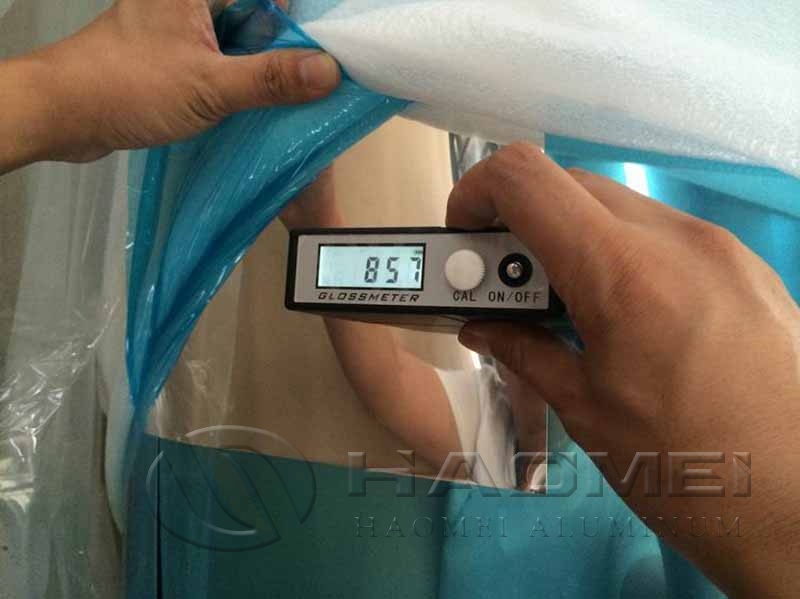
The main concern in this article is reflectance consistency. If the mirror surface varies across coils or sheets, one fixture row can look brighter than another, even when the LED modules are identical.
Why Reflectance Consistency Matters Before Holiday Traffic
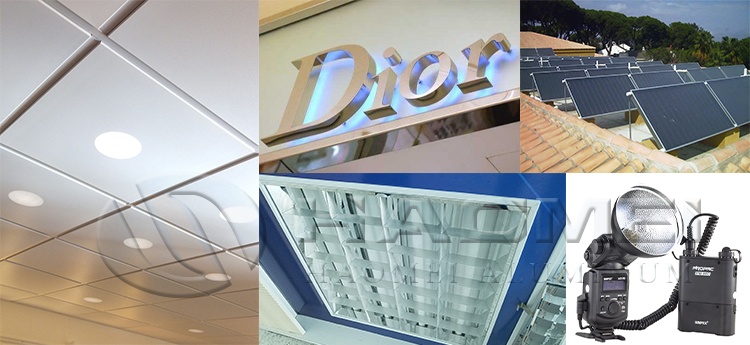
Grid lighting uses reflective cells, backs, and blades to redirect light downward and reduce dark zones. In retail aisles and hotel corridors, uneven reflection can make merchandise, signage, or seasonal displays look inconsistent.
LED chips may provide high efficacy, but the fixture still loses light through absorption, poor angle control, and low-grade reflector surfaces. A bright aluminum mirror surface helps recover useful light inside the grid structure without changing the electrical design.
Commercially pure aluminum grades are often selected for reflector work because they support bright finishing, corrosion resistance, and formability. The Aluminum Association grade system identifies 1xxx alloys by high aluminum content. Common reflector choices include 1050 at about 99.5% Al, 1060 at about 99.6% Al, 1070 at about 99.7% Al, and 1085 at about 99.85% Al.
For grid lighting factories, the practical target is not only a shiny sample. It is repeated reflectance, stable coating, predictable slitting, and low surface defect rates across the production order.
| Concern in grid lighting production | Risk during holiday refits | Specification action |
|---|---|---|
| Uneven mirror finish | Visible brightness difference between ceiling grids | Define reflectance test method and acceptance range |
| Surface scratches | Higher rejection after stamping or bending | Require PE film, paper interleaving, and handling rules |
| Wrong temper | Cracking, springback, or poor flatness | Match temper to bending radius and louver geometry |
| Coil camber or burr | Poor slitting yield and assembly gaps | Specify width tolerance, burr direction, and edge quality |
| Unverified compliance | Delayed luminaire certification files | Request ASTM, EN, RoHS, or REACH documents as applicable |
Material Choice for Grid Lighting Reflectors
For many reflector and louver applications, 1050, 1060, 1070, and 1085 aluminum are preferred over general structural grades. The reason is simple: higher purity supports better bright finishing and reflectivity.
When the reflector needs moderate forming and cost control, 1050 O H14 H18 Aluminium Sheet is often practical. O temper supports deeper forming. H14 can balance stiffness and formability. H18 offers higher hardness where flat blades or inserts need shape retention.
For premium mirror reflector surfaces, 1085 Aluminum Sheet is commonly evaluated because its higher aluminum purity can support superior bright anodized or polished finishes when processed correctly.
| Alloy option | Typical aluminum purity | Practical use in grid lighting | Procurement note |
|---|---|---|---|
| 1050 | About 99.5% | Economy reflector panels, louvers, formed parts | Good balance of cost and forming performance |
| 1060 | About 99.6% | Reflector backs, ceiling grid inserts | Common choice where corrosion resistance and finish matter |
| 1070 | About 99.7% | Higher brightness reflector components | Useful when a better mirror finish is required |
| 1085 | About 99.85% | Premium reflector and optical aluminum surfaces | Best suited for strict reflectance and appearance demands |
For specification credibility, use recognized standards. ASTM B209/B209M covers aluminum and aluminum-alloy sheet and plate. EN 485 covers aluminum and aluminum alloy sheet, strip, and plate in Europe. If the mirror sheet becomes part of an electrical luminaire sold in the EU, RoHS Directive 2011/65/EU and amendments may apply to restricted substances in electrical and electronic equipment. REACH SVHC declarations may also be requested by European customers.
Do not treat these standards as decoration on a quotation. They define how thickness tolerance, surface quality, chemical composition, and documentation should be controlled.
Holiday Ordering Checklist for Aluminum Mirror Sheet
Use this checklist before placing orders for Q4 lighting programs. It reduces rework, sample disputes, and production stoppages.
Define the final part, not only the raw sheet.
State whether the aluminum will become a louver blade, reflector back, grid insert, trim panel, or stamped optical part. The forming path decides temper, thickness, and protective film.
Confirm visible surface direction.
For mirror aluminum, surface orientation matters. Mark whether the reflective face is inside the grid, facing the LED module, or exposed to the room side.
Set measurable reflectance requirements.
Ask for test conditions, instrument type, and whether the value is total reflectance, specular reflectance, or gloss. These terms are not interchangeable. Specular reflectance is more relevant when the design relies on directional light control.
Specify finish and protection.
Common options include polished mirror, anodized mirror, coated mirror, and embossed reflective sheet. Add PE film type, adhesive strength, film thickness, and removal temperature range if the sheet will pass through stamping or bending.
Match thickness to assembly method.
Thin sheet reduces weight but may deform during punching. Thicker sheet improves rigidity but raises material cost and may need wider bending radii. Confirm fixture drawings before freezing thickness.
Require sample approval from the same production route.
A hand-polished display sample is not enough. Request sample sheets or coil strips produced by the intended rolling, polishing, coating, slitting, and packing route.
Control packing for export handling.
Mirror sheet should be protected against moisture, abrasion, and edge damage. Ask for seaworthy wooden pallets or cases, desiccant where appropriate, waterproof wrapping, corner protection, and clear coil or sheet labels.
Build a calendar from the holiday opening date.
Work backward from store installation. Reserve time for material production, slitting, reflector fabrication, luminaire assembly, inspection, shipping, customs clearance, and site installation. Seasonal retail openings leave little room for rejected reflective material.
| Order item to confirm | Recommended wording in RFQ |
|---|---|
| Alloy and temper | 1050 H14, 1060 H18, 1070 O, or 1085 as drawing requires |
| Thickness and tolerance | State nominal thickness plus applicable ASTM B209 or EN 485 tolerance |
| Surface finish | Mirror polished, anodized mirror, coated mirror, or embossed reflective |
| Reflectance | Define total or specular reflectance and test method |
| Dimensions | Coil width, sheet length, diagonal tolerance, and edge condition |
| Protection | PE film, paper interleaving, pallet method, moisture control |
| Compliance files | Mill test certificate, RoHS statement, REACH statement if required |
| Approval process | Pre-production sample, batch inspection photos, shipment documents |
A holiday lighting refit succeeds when the reflector material is specified early and measured clearly. For July RFQs, prioritize reflectance consistency, surface protection, and alloy-temper matching before price comparison.
https://www.alsheetplate.com/a/aluminum-mirror-sheet-for-grid-lighting.html