




Mirror Finish Aluminum Sheet
Apr 24 26
Mirror Finish Aluminum Sheet is selected when appearance is not optional. In lighting reflectors, architectural panels, signage, home appliances, solar components, and interior decoration, the top concern is usually simple: stable reflectivity without surface defects.
For commercial orders, that concern becomes practical. Can the supplier deliver consistent gloss, low waviness, peelable protection film, and repeatable color from lot to lot? This article focuses on how to specify, inspect, and source polished aluminum for predictable results.
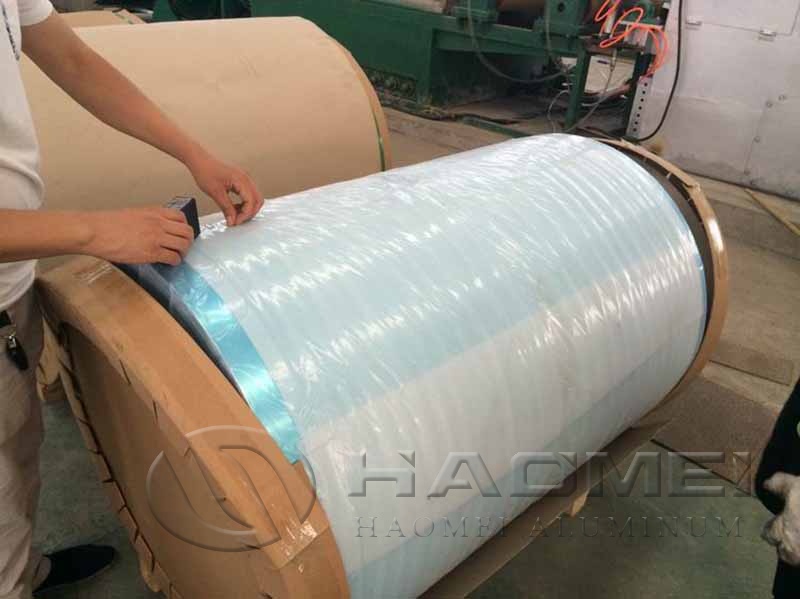
What It Is and How It Is Made
A mirror-like aluminum surface is produced by one of three main routes:
-
Mechanical polishing
The surface is ground and buffed to increase gloss. This can produce strong visual brightness, but consistency over large volumes may vary with line control. -
Chemical or electrolytic brightening
The surface is leveled at a microscopic scale through controlled chemistry. This is common when higher reflectivity and cleaner visual appearance are required. -
Anodized mirror finish
After brightening, an anodic oxide layer improves corrosion resistance and surface durability. This is often preferred for indoor architectural and appliance-facing uses.
For high-reflectivity applications, the most common base alloys are in the 1000 Series, especially high-purity grades. Many reflective products also use 1085 Aluminum Sheet because its high aluminum content supports better brightness and reflectivity than many alloyed grades.
Common Alloys and Typical Use Cases
| Alloy | Aluminum content, typical | Surface result | Typical application | Practical note |
|---|---|---|---|---|
| 1050 | about 99.5% | Good brightness | Decorative panels, general reflectors | Cost-effective |
| 1060 | about 99.6% | Good formability and finish | Lighting, signage, appliance trim | Widely available |
| 1070 | about 99.7% | Higher conductivity, bright finish | Electrical and specialty reflectors | More niche |
| 1085 | about 99.85% | Excellent mirror effect | High-end reflectors, optical use | Higher cost |
Data above reflects standard alloy designations widely recognized in EN 573 and ASTM alloy naming practice.
How to Specify It Without Costly Rework
Procurement problems usually come from incomplete specifications, not from the alloy itself. If the order only says "mirror aluminum," quality disputes are likely.
Use this checklist in RFQs and purchase contracts:
Order Specification Checklist
- Alloy and temper, such as 1050 H14, 1060 H18, or 1085 H19.
- Thickness tolerance and width tolerance.
- Required minimum reflectivity, if applicable.
- Surface route: polished, bright-annealed, chemical brightened, anodized.
- One-side or two-side mirror finish.
- Protective film type and thickness.
- Allowed defect level: scratches, roll marks, oil stains, edge waves, inclusions.
- Flatness and waviness limit.
- Interior or exterior use.
- Packing method: eye-to-sky, eye-to-wall, paper interleave, seaworthy pallet.
- Applicable standard and test method.
If the part will be bent, punched, or deep-drawn after finishing, ask the supplier to confirm formability after surface treatment. Very bright surfaces can be damaged by poor downstream handling.
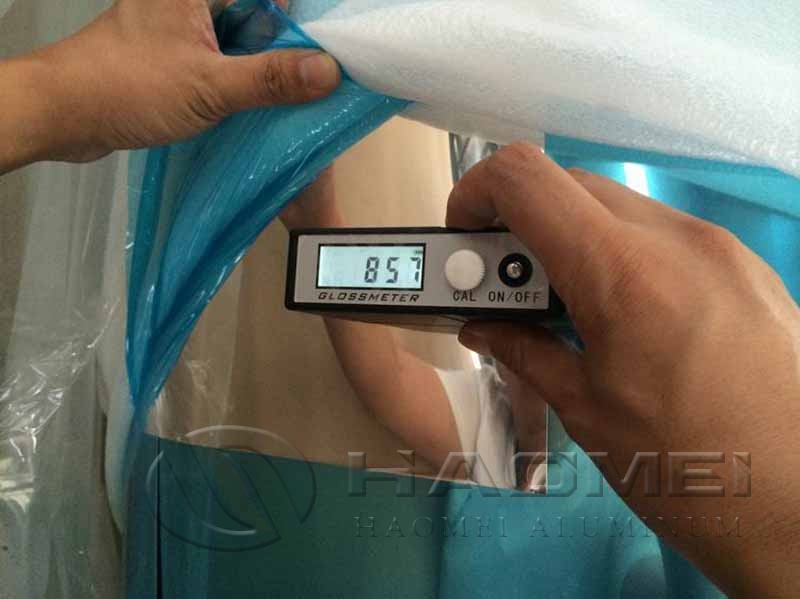
Quality Control Points That Matter Most
The main rejection reasons in shipments are usually visual, not chemical composition.
| Inspection item | What to check | Why it matters |
|---|---|---|
| Reflectivity | Total or specular reflectance by agreed method | Affects lamp, solar, and decorative performance |
| Surface defects | Scratches, chatter marks, orange peel, pinholes | Visible immediately after installation |
| Film adhesion | Peel test and storage stability | Prevents adhesive residue and transit damage |
| Flatness | Bow, wave, edge camber | Impacts fabrication and panel appearance |
| Thickness | Micrometer across width and length | Controls fit and cost |
| Color consistency | Lot-to-lot visual match under standard light | Important for façade and appliance panels |
For standards, buyers often reference ASTM B209 for aluminum and aluminum-alloy sheet and plate dimensional/material requirements, while anodic coatings are commonly evaluated using ISO 7599 or customer-specific architectural criteria, depending on the market. Reflectivity methods may vary by application, so the test protocol should be stated in advance.
Cost, Supply Chain, and Market Reality
Pricing depends on more than LME aluminum.
A mirror-finish product price usually includes:
- Base metal cost, often linked to LME or SHFE plus conversion.
- Alloy premium, especially for high-purity grades such as 1085.
- Surface processing cost.
- Anodizing cost, if required.
- Protective film and special packaging.
- Yield loss from stricter surface selection.
- Freight and insurance.
Cost Drivers Compared
| Cost factor | Low impact case | High impact case |
|---|---|---|
| Alloy purity | 1050, 1060 | 1085 |
| Surface requirement | Decorative bright finish | Optical-grade, high reflectivity |
| Thickness | Standard gauge | Ultra-thin or extra-thick special run |
| Width | Standard mill width | Non-standard slit width |
| Protection | Basic film | Premium removable film, export packing |
| Volume | Full production lot | Small batch or mixed sizes |
Because the surface is value-added, mirror-finished aluminum normally carries a much higher conversion premium than plain mill finish material. Exact regional prices move with aluminum exchanges, energy costs, and coating chemistry. In recent years, energy and logistics volatility have significantly influenced conversion costs, especially for anodized and polished products.
Supply Chain Risks to Screen Early
- Inconsistent coil source: Different rolling mills can create different brightness after polishing.
- Protective film failure: Film may age, lift, or leave residue in hot containers.
- Transit abrasion: Mirror surfaces need interleaving and stable pallet protection.
- Lead-time extension: Bright-finish and anodizing lines are often capacity-constrained.
- Compliance mismatch: Some projects require RoHS, REACH, or architectural coating documentation.
For Europe-facing products, REACH compliance declarations may be requested. For electrical and appliance sectors, RoHS is commonly required. Importers should also verify country-of-origin, tariff classification, and any anti-dumping or trade remedy exposure in their destination market.
Application Match Table
| Application | Recommended alloy | Recommended finish | Main concern |
|---|---|---|---|
| Lighting reflector | 1060, 1085 | High-reflectivity bright or anodized | Reflectance retention |
| Interior decoration | 1050, 1060 | Polished or anodized mirror | Scratch resistance |
| Appliance panel | 1050, 1060 | Anodized mirror | Color and lot consistency |
| Signage | 1050, 1060 | Bright finish with film | Fabrication marks |
| Solar reflector parts | 1085 | High-spec reflective finish | Performance stability |
Practical Sourcing Steps
- Define the end use first, not just the alloy.
- Request a sample with the same film and packing as mass production.
- Lock inspection criteria in writing, including acceptable defect photos.
- Confirm whether reflectivity is guaranteed and by which test method.
- Ask for ASTM B209 conformity where relevant, plus anodizing specifications if used.
- Verify export packing for polished surfaces, especially for sea shipment.
- Approve one production lot before placing a larger repeated order.
A mirror surface can look excellent in a sample but fail in fabrication if hardness, flatness, or film quality are not aligned with the process. That is why the first question should not be price per ton. It should be: what surface stability is required after transport, storage, and fabrication?
For professional sourcing, the best-performing order is usually not the cheapest offer. It is the one with clear alloy selection, verifiable reflectivity, controlled packaging, and an agreed visual standard.
https://www.alsheetplate.com/a/mirror-finish-aluminum-sheet.html