




1000 Series Aluminium
Mar 27 26
1000 Series Aluminium is widely used when high purity, strong corrosion resistance, and excellent electrical or thermal conductivity matter more than strength. For many industrial users, the top concern is simple: which grade gives the needed conductivity and formability without overpaying for unnecessary performance?
What 1000 Series Aluminium Means
This family is commonly called commercially pure aluminum. In the Aluminum Association designation system, typical grades include 1050, 1060, 1070, 1100, and 1350. Their aluminum content is generally very high, often 99.0% or above depending on grade.
Common reference standards include:
- ASTM B209 for aluminum and aluminum-alloy sheet and plate
- ASTM B210 for drawn seamless tube, where relevant to grade comparison
- ASTM B221 for extruded products, useful when checking alloy behavior across forms
- ASTM B479 for foil
- EN 573 for chemical composition designation in Europe
- EN 485 for sheet, strip, and plate mechanical properties
- EN 546 for foil
- ISO 6361 for wrought aluminum sheets, strips, and plates
In purchasing practice, material should be ordered by alloy + temper + standard + dimensions + tolerance + surface requirement.
Example:
- 1050-H14, ASTM B209, 1.0 mm x 1250 mm x coil, mill finish
- 1070-O, EN 485, 0.30 mm x 1000 mm x coil, for deep drawing
Main Properties and Grade Comparison
The biggest advantage of this series is purity-driven performance. It has lower strength than 3000, 5000, or 6000 series alloys, but it is easier to process and often cheaper for conductivity-focused uses.
| Grade | Typical Al content | Main advantage | Common temper | Typical use |
|---|---|---|---|---|
| 1050 | ≥99.5% | Good formability, corrosion resistance | O, H14, H24 | reflectors, chemical equipment, general fabrication |
| 1060 | ≥99.6% | Better conductivity than 1050 | O, H18 | busbars, signs, insulation cladding |
| 1070 | ≥99.7% | High electrical and thermal conductivity | O, H14 | capacitor foil stock, electronic applications |
| 1100 | ≥99.0% | Balanced workability and moderate strength | O, H14, H18 | cookware, fin stock, nameplates |
| 1350 | ≥99.5% | Electrical conductor grade | O | electrical transmission applications |
Typical performance ranges, depending on standard and temper:
| Property | O temper | H14 temper | H18 temper |
|---|---|---|---|
| Tensile strength, MPa | about 60-95 | about 85-120 | about 110-150 |
| Yield strength, MPa | low | moderate | higher |
| Elongation | high | medium | lower |
| Electrical conductivity | excellent | excellent | excellent |
Values vary by grade, thickness, and the governing standard. Always verify with the mill test certificate and the exact specification.
For applications needing strong ductility and standard industrial forming, 1050 O H14 H18 Aluminium Sheet is a common option. For higher conductivity and purity, many users compare it with 1070 Aluminum Sheet.
How to Select the Right Grade
Use this checklist before placing an order:
-
Define the application first
- Electrical conductivity: prefer 1060, 1070, or 1350
- Deep drawing or spinning: prefer O temper
- General stamping and moderate rigidity: consider H14
- Maximum hardness for thin products: consider H18
-
Check the required purity level
Higher purity usually improves conductivity and corrosion resistance, but may not be necessary for decorative or general industrial use. -
Match temper to forming process
- O: soft, best for bending, drawing, and shaping
- H14: half-hard, balanced formability and stiffness
- H18: full-hard, better for rigidity in thin gauge applications
-
Confirm product form and tolerance
Thickness tolerance, flatness, coil set, edge condition, and inner diameter can affect downstream processing more than alloy choice. -
Verify surface requirements
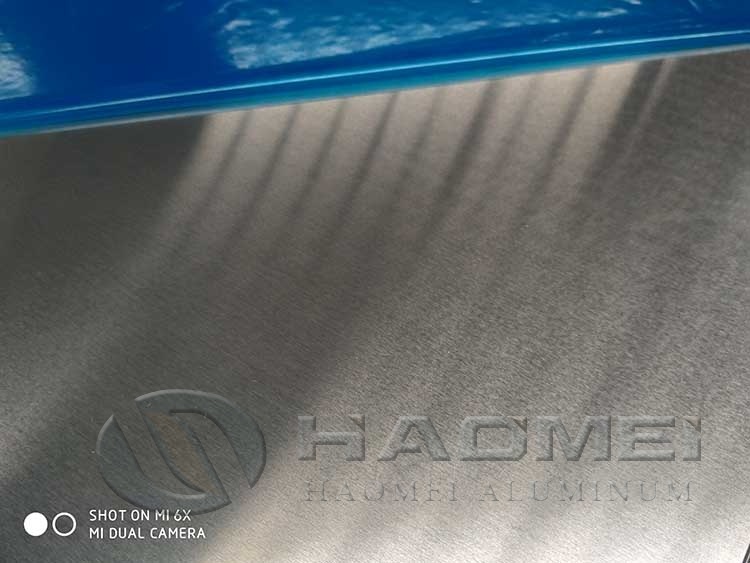
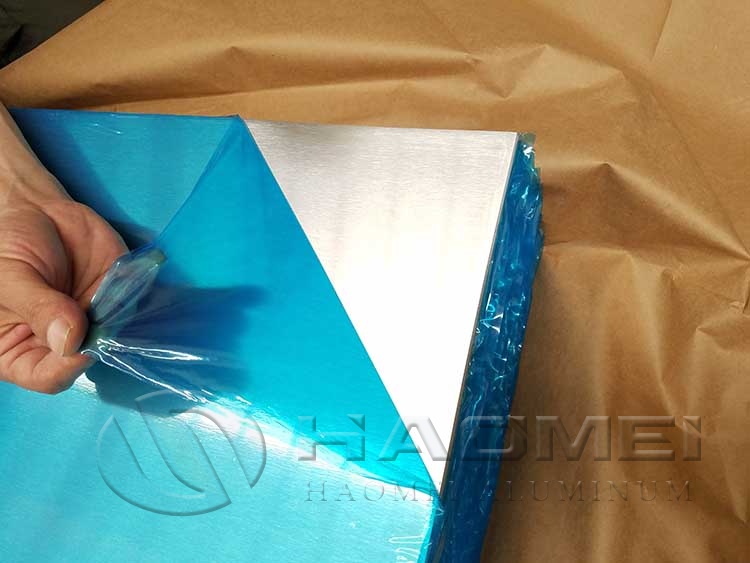
Ask for mill finish, bright finish, degreased surface, or protective film if scratching or printing quality matters.
Tests and Inspection Items to Request
For industrial orders, do not rely only on nominal alloy name. Ask for documented inspection results.
Recommended checks:
| Item | Why it matters | Typical method/reference |
|---|---|---|
| Chemical composition | Confirms alloy identity and purity | EN 573, ASTM chemical limits |
| Tensile properties | Confirms temper and workability | ASTM E8 / EN ISO 6892-1 |
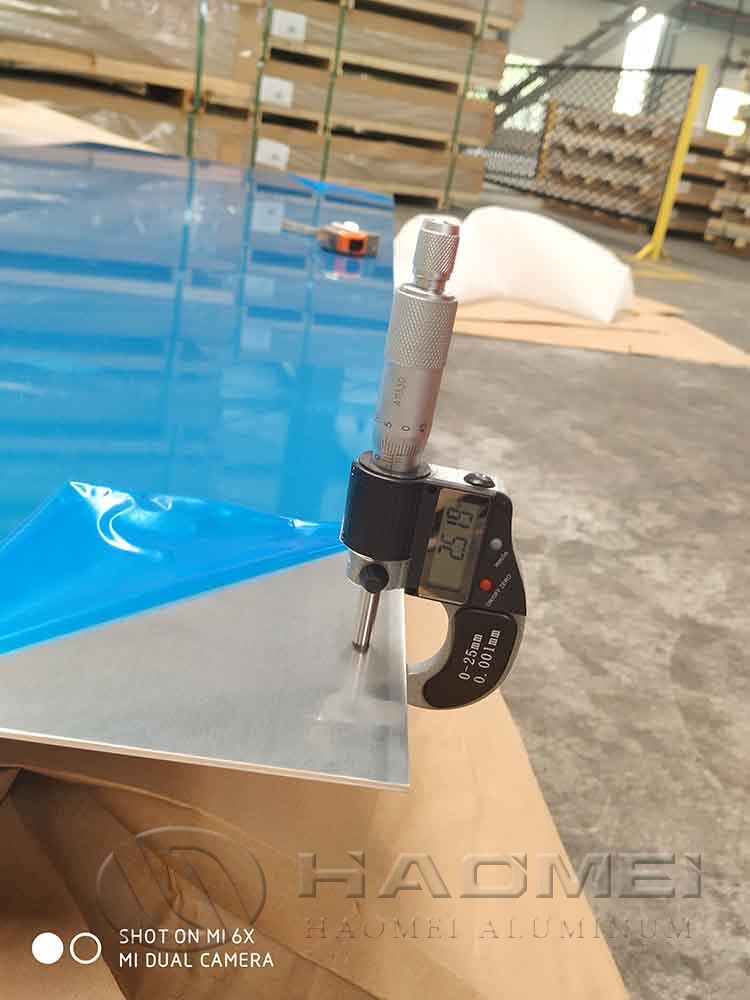
| Thickness and width | Prevents processing mismatch | calibrated gauge, micrometer |
| Flatness / coil profile | Reduces feeding and stamping issues | visual + line measurement |
| Surface quality | Important for anodizing, printing, lamination | visual inspection under agreed standard |
| Conductivity, if required | Critical for electrical use | eddy current or resistivity testing |
| Hardness, if required | Helps verify temper consistency | HRF/HV as applicable |
Ask suppliers for:
- Mill test certificate
- Packing standard and moisture protection method
- Heat number or coil number traceability
- Statement of applicable standard, such as ASTM B209 or EN 485
Common Problems and How to Avoid Them
1. Cracking during bending or deep drawing
Cause:
- Temper too hard
- Grain direction not considered
- Radius too tight
Action:
- Switch from H18 to H14 or O temper
- Confirm forming direction with the processor
- Review minimum bend radius
2. Conductivity lower than expected
Cause:
- Wrong grade selected
- Composition drift within allowed range but not ideal for electrical use
- Surface contamination affecting contact
Action:
- Specify conductivity requirement in the purchase order
- Prefer 1060, 1070, or 1350 for electrical duty
- Request certificate data and test method
3. Surface defects affecting anodizing or printing
Cause:
- Storage moisture
- Handling scratches
- Inconsistent rolling surface
Action:
- Specify surface class in contract
- Use interleaving paper or film
- Inspect edge and face before shipment release
Pricing and Sourcing Notes
Price changes with LME aluminum, regional premium, energy costs, gauge, width, temper, and order size. High-purity grades such as 1070 or 1085 usually cost more than 1050 or 1100 because chemistry control is tighter and application demands are narrower.
Practical sourcing advice:
- Use 1050 or 1100 when conductivity is not the main driver
- Upgrade to 1060 or 1070 when electrical or thermal performance justifies the premium
- For foil and thin gauge orders, confirm pinhole, wettability, and winding quality requirements in writing
- For export shipments, require seaworthy packing with desiccant and pallet protection
A good purchase specification should include:
- Alloy and temper
- Standard
- Thickness, width, length or coil weight
- Tolerance
- Surface condition
- Mechanical property requirement
- Conductivity requirement, if applicable
- Packing and marking rules
- Certificate and inspection documents
1000 series materials are often the most efficient choice when purity, corrosion resistance, and forming behavior are the real performance drivers. Careful grade selection and document-based inspection usually prevent the most common cost and quality problems.