




1000 Series Aluminum Properties
Oct 29 26
Holiday packaging, lighting, decorative goods, and food-service production often require material that can be formed quickly without creating avoidable scrap. 1000 Series Aluminum Properties make commercially pure aluminum a practical option where corrosion resistance, electrical conductivity, reflectivity, and workability matter more than high structural strength.
For year-end campaigns and Lunar New Year production windows, the operational concern is not simply securing aluminum. It is receiving the correct alloy, temper, dimensions, surface condition, and packaging early enough to keep converting lines running. A specification that only says "pure aluminum sheet" leaves too much room for mismatch.
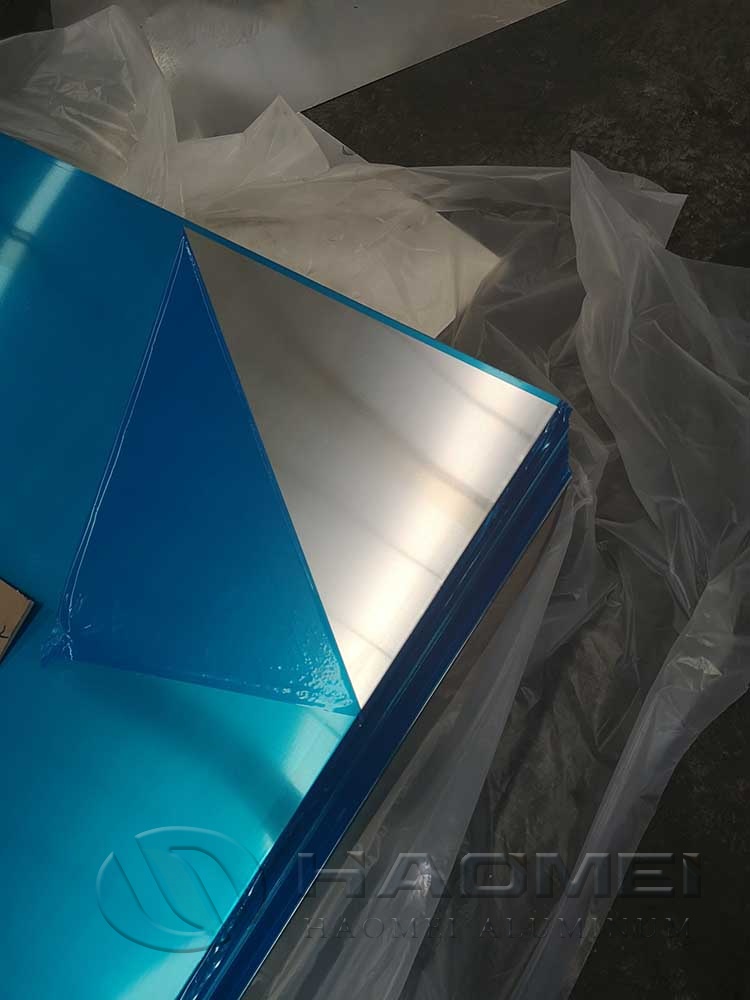
What 1000 Series Aluminum Delivers in Forming Applications
The Aluminum Association designation system identifies the 1xxx family as aluminum grades with a minimum 99.00% aluminum content. The final two digits identify the minimum purity above 99% in hundredths of a percent for many standard grades. For example, 1050 contains at least 99.50% aluminum, 1060 at least 99.60%, and 1070 at least 99.70%. Grade 1100 contains a minimum 99.00% aluminum and is a widely used commercial-purity grade.
The main feature to prioritize is formability. High-purity aluminum has no sharply defined yield point and is generally easy to bend, stamp, spin, draw, and emboss in appropriate annealed tempers. This helps reduce cracking risk in shallow formed parts, lamp reflectors, nameplates, closure components, and decorative packaging.
| Property | Practical effect | Holiday-season application |
|---|---|---|
| High aluminum purity | Good ductility and workability | Embossed gift packaging, spun circles, deep-drawn components |
| Natural oxide layer | Useful atmospheric corrosion resistance | Indoor decorative panels and wrapped consumer goods |
| High electrical conductivity | Suitable for selected electrical uses | Busbar and transformer components, subject to engineering design |
| Thermal conductivity | Transfers heat efficiently | Cookware blanks and heat-spreading parts |
| Low strength versus heat-treatable alloys | Not suitable for heavily loaded structures without design validation | Avoid using as a substitute for 5xxx or 6xxx structural parts |
Do not treat the series name as a complete material specification. Mechanical properties change substantially with temper, thickness, and the applicable product standard. Annealed O temper supports maximum forming, while H14 or H18 tempers provide progressively higher strength and reduced ductility through strain hardening.
For applications requiring a balance of bending performance and handling rigidity, 1050 O H14 H18 Aluminium Sheet allows the temper to be specified instead of relying on a generic purity request.
Grade, Temper, and Standard: A Purchase Specification Checklist
Use this checklist before releasing a holiday-season production order. It converts broad material requirements into verifiable line items for a quotation, inspection plan, and receiving team.
-
Select the grade. Choose 1050, 1060, 1070, 1085, or 1100 based on the needed purity, conductivity, appearance, and forming operation. Do not assume one grade is interchangeable with another without product testing.
-
State the product form. Identify sheet, strip, coil, foil, or circle. Form affects dimensional tolerances, packaging method, and downstream equipment compatibility.
-
Specify temper. Use O for maximum ductility where severe forming is expected. Specify H-temper only after checking bend radius, press force, and springback requirements.
-
Define dimensions and tolerances. Include thickness, width, length, inner diameter, outer diameter, coil weight, and allowable burr direction where relevant. A nominal thickness alone is incomplete.
-
Set surface requirements. State mill finish, bright finish, protective film, oil limits, flatness expectations, and whether scratches, roll marks, or stains are acceptable. Appearance requirements should be agreed before production, especially for reflective decor.
-
Name the governing standard. ASTM B209 covers aluminum and aluminum-alloy sheet and plate. ASTM B479 covers annealed aluminum and aluminum-alloy foil for flexible barrier, food-contact, and other applications. The selected standard, revision, and any additional inspection criteria should appear on the order documents.
-
Request traceability records. A mill test certificate can document heat or lot identification, chemical composition, mechanical test results when applicable, and dimensional information. Confirm exactly which data the certificate will contain before shipment.
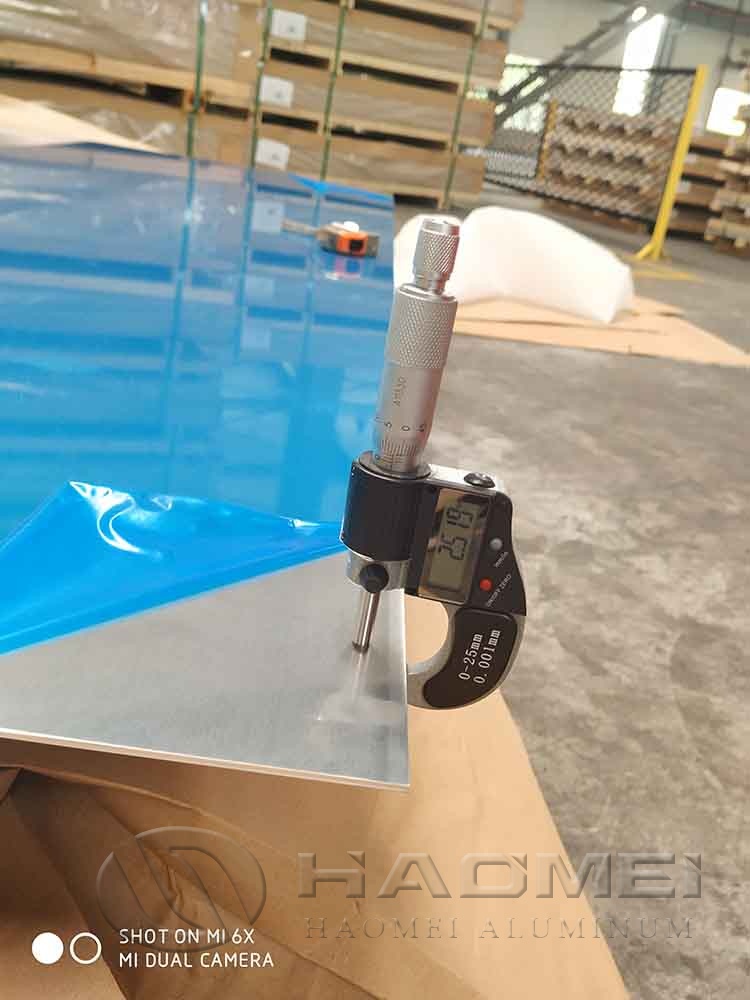
Comparison for Fast Material Selection
| Grade | Minimum aluminum content | Typical reason to select it | Watch item |
|---|---|---|---|
| 1050 | 99.50% | General forming, reflectors, decorative sheet | Confirm needed temper for forming depth |
| 1060 | 99.60% | General electrical and thermal applications | Verify conductivity requirement separately |
| 1070 | 99.70% | Higher-purity electrical or chemical-use applications | Confirm alloy limits and certification needs |
| 1085 | 99.85% | High-reflectivity and specialized applications | Surface quality is often as important as chemistry |
| 1100 | 99.00% | General sheet, utensils, chemical equipment | Not intended for high-load structural use |
For standard commercial-purity sheet where fabrication flexibility is the priority, 1100 Aluminum Alloy Sheet is commonly specified in sheet and coil programs.
Holiday Production Plan: Prevent Delays and Conversion Losses
Holiday demand creates a compressed schedule: promotional packaging must be converted, printed, assembled, and delivered before retail deadlines. The material solution is to lock down technical details before carriers and processing lines reach their seasonal peak.
| Timing | Required action | Problem prevented |
|---|---|---|
| 8-12 weeks before conversion | Approve grade, temper, thickness, and surface sample | Scrap from poor forming or unacceptable appearance |
| 6-8 weeks before conversion | Confirm coil geometry, maximum weight, and packaging | Unplanned slitting, equipment loading issues, transit damage |
| 4-6 weeks before conversion | Review test certificate requirements and inspection method | Receiving disputes and production holds |
| Before dispatch | Confirm protective film, pallet design, moisture protection, and labels | Surface scratches, water staining, lost traceability |
Pricing should be assessed as a transparent calculation rather than a single unexplained figure. Typical commercial components include the published primary aluminum reference price, alloy or conversion premium, rolling and finishing charges, protective-film cost, packaging, freight, duties, and taxes. Thickness, width, temper, and surface controls can materially change conversion cost. Request the quotation basis, currency, validity period, Incoterms rule, and minimum order conditions in writing.
For food-contact packaging, do not infer regulatory suitability from alloy designation alone. Confirm the final converted article, coatings, inks, adhesives, intended food type, temperature, and destination-market rules with the responsible compliance team. In the United States, food-contact materials are regulated under the Federal Food, Drug, and Cosmetic Act and applicable FDA regulations; aluminum substrate alone does not establish compliance for a finished package.
Release checklist for seasonal orders:
- Grade and temper approved against a formed sample.
- Standard and certificate contents written into the purchase specification.
- Thickness, width, coil dimensions, and tolerances confirmed.
- Surface finish and protective-film requirements approved.
- Packing method designed for the transit route and warehouse environment.
- Production, inspection, dispatch, and arrival dates aligned with the holiday campaign schedule.
https://www.alsheetplate.com/a/1000-series-aluminum-properties.html