




Anodized Mirror Finish Aluminium
Sep 02 26
Holiday retail windows, Christmas fixtures, Diwali décor, and year-end hospitality projects all demand materials that look premium under intense lighting but remain practical to fabricate and install. Anodized Mirror Finish Aluminium is a useful holiday solution when the project needs a bright reflective surface, lower weight than glass or stainless steel, and a protective oxide layer that supports handling during fast seasonal fit-outs.
The top concern is not simply whether the sheet looks reflective on a sample. It is whether the finished coil, sheet, strip, foil, or circle maintains a consistent visual appearance after slitting, bending, protective-film removal, transport, and installation under display lighting.
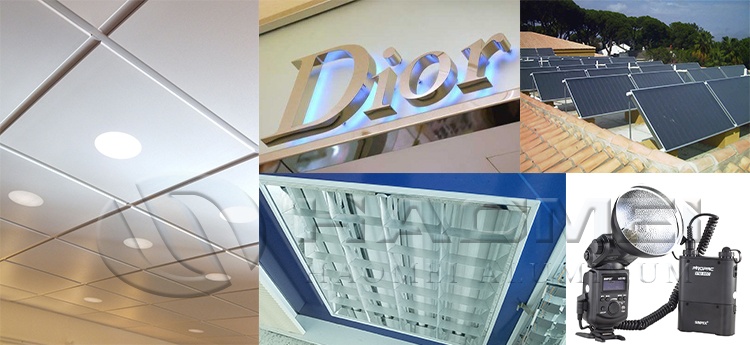
Solve the Main Risk: Reflection Quality After Anodizing
A mirror effect comes from mechanical or chemical brightening before anodizing. The anodic oxide layer protects the aluminium surface, but it does not automatically turn a standard mill finish into a mirror. Procurement documents should therefore identify both the base finish and the anodizing requirement.
For seasonal installations, define the surface by an approved physical control sample rather than using vague wording such as "high shine." Lighting angle, surrounding colors, sheet flatness, and handling marks can all affect perceived reflection.
Use this specification checklist before releasing production:
- Alloy and temper, such as 1085, 1070, 1060, 1050, or 1100, according to forming needs.
- Product form: sheet, coil, strip, foil, or circle.
- Thickness, width, length, coil ID, and permitted dimensional tolerance.
- Brightened mirror surface before anodizing.
- Anodized color: clear, champagne, bronze, black, or another agreed shade.
- Coating thickness in micrometres, measured by an agreed method.
- One approved visual sample for reflection, color, roll marks, and allowable defects.
- Protective film type, adhesion level, and maximum removal period.
- Export packing, pallet layout, moisture protection, and label data.
ISO 7599 covers methods for specifying decorative and protective anodic oxidation coatings on aluminium and its alloys. ASTM B580 is also widely used for specifying anodic oxide coatings. These standards help define coating requirements, but they do not replace an agreed visual standard for mirror appearance.
| Project concern | Weak requirement | Purchase requirement that reduces disputes |
|---|---|---|
| Reflection | "Mirror finish" | Approved sample plus viewing distance, lighting condition, and acceptable visual variation |
| Coating durability | "Anodized" | State anodic coating thickness and reference ISO 7599 or ASTM B580 where applicable |
| Fabrication | "Easy bending" | State bend radius, temper, direction, and whether post-forming appearance is critical |
| Holiday deadline | "Urgent delivery" | Confirm production slot, inspection date, packing date, and final dispatch date |
| Surface protection | "Film protected" | Define film grade, application side, removal method, and storage limit |
For highly reflective decorative panels, higher-purity aluminium grades are often considered because composition and surface preparation influence brightness. Where the design needs a bright substrate and controlled forming, evaluate 1085 Aluminum Sheet against the approved finish sample, rather than selecting only by nominal alloy name.
Match the Material to Holiday Applications and Fabrication
Mirror-anodized material is particularly effective in temporary or semi-permanent festive environments because it creates visual depth without adding substantial structural weight. It can be converted into ceiling reflectors, gift-box display surrounds, decorative trims, light-diffusing back panels, tree ornaments, premium packaging components, and point-of-sale structures.
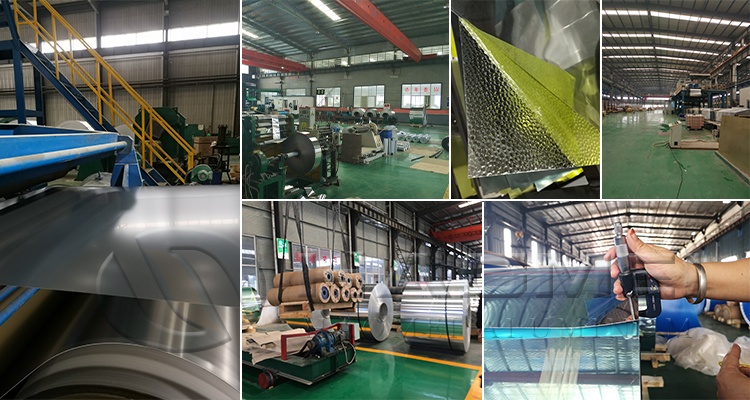
The material should be selected according to the operation that creates the finished part. A display fabricator making shallow formed ornaments needs different properties from a signage contractor laminating flat panels.
| Application | Preferred purchasing focus | Common avoidable failure |
|---|---|---|
| Retail window panels | Flatness, reflection consistency, protective film | Ordering by gloss description without a visual sample |
| Decorative strips and trims | Slit-edge quality, coil set, bend test | Edge cracking from an unsuitable temper |
| Pressed circles or ornaments | Formability, blanking quality, scratch protection | Removing film before final forming and assembly |
| Lighting surrounds | Heat exposure review, reflectance sample, fire-system compatibility | Assuming a metallic surface alone meets the full fixture requirement |
| Premium seasonal packaging | Gauge consistency, embossing compatibility, food-contact review if relevant | Treating decorative aluminium as automatically food-contact compliant |
For projects requiring deep drawing, stamping, or controlled bending, alloy-temper selection must be tested on the actual tool geometry. A material marketed as reflective may still show distortion after forming because mirror surfaces make minor waviness and tool marks more visible. Request a trial quantity or representative formed sample before committing the full production schedule.
When comparing bright anodized finishes with alternatives, use the following practical test.
| Material option | Holiday display advantage | Limitation to plan for |
|---|---|---|
| Anodized mirror aluminium | Reflective appearance, corrosion-resistant oxide layer, low weight | Surface can reveal scratches, dents, and forming marks |
| Stainless steel mirror sheet | High perceived durability | Higher weight and different forming behavior |
| Acrylic mirror | Lightweight and easily cut | Can scratch, warp, or show lower heat resistance depending on grade |
| Glass mirror | Strong optical reflection | Fragility, weight, and difficult installation logistics |
Build a Deadline-Safe Seasonal Order Plan
For Christmas and year-end campaign installations, production timing often matters as much as surface quality. The material must arrive early enough for cutting, fabrication, assembly, store distribution, and contingency replacement. Treat mirror aluminium as a production input, not a last-minute decorative purchase.
Start by freezing the visual standard. Send a drawing that identifies the visible face, grain or rolling direction if relevant, bend lines, hole positions, and film-removal sequence. Then approve the first-off sample under lighting similar to the final installation. Warm LED lighting can make color differences more apparent than warehouse lighting.
Use this release sequence:
- Confirm alloy, temper, dimensions, finish sample, coating thickness, and packing method.
- Validate fabrication with a bend, stamping, or assembly trial using protected material.
- Confirm inspection criteria for scratches, roll marks, color variation, and edge damage.
- Reserve production capacity before seasonal factory and logistics congestion.
- Schedule pre-shipment inspection against the approved control sample.
- Keep protective film on through fabrication whenever tools and adhesives allow it.
- Store finished material indoors, dry, and away from cement dust, strong alkalis, and trapped moisture.
For straightforward decorative panels and strips, 1050 O H14 H18 Aluminium Sheet can be assessed where the needed temper, finish route, and forming requirement match the project. The correct choice should be confirmed by finish samples and fabrication tests, not assumed from alloy family alone.
A complete holiday order file should contain the approved sample ID, technical drawing revision, applicable coating standard, inspection record, protective-film instruction, packing photos, and shipment schedule. This documentation gives project teams a clear basis for accepting reflective anodized material before the seasonal installation window closes.
https://www.alsheetplate.com/a/anodized-mirror-finish-aluminium.html