




1050 H14 Aluminium Sheet
Nov 06 26
For fabricated parts that need better dent resistance than annealed aluminium while retaining high formability, 1050 H14 aluminium sheet is often a practical specification. The primary concern is temper consistency: material labelled H14 must deliver the specified half-hard condition across the full production width and thickness.
Alloy 1050 is a commercially pure aluminium grade. Under EN 573-3, EN AW-1050A has a minimum aluminium content of 99.5%. Its low alloy content supports corrosion resistance, thermal conductivity and electrical conductivity, but it does not provide the structural strength associated with heat-treatable alloys such as 6xxx series grades.
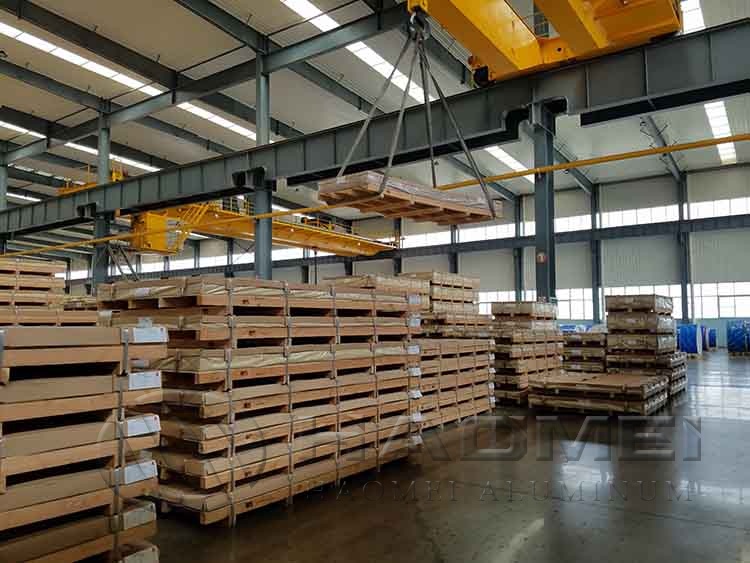
Confirm the Alloy, H14 Temper and Applicable Standard
The term H14 has a defined meaning. Under EN 515 temper designations, H1x indicates strain-hardened material, and the final digit 4 identifies the half-hard condition. In practical terms, rolling increases strength and hardness relative to O temper, while reducing the amount of forming the material can tolerate before cracking.
Do not rely on an H14 label alone. Mechanical-property limits vary by applicable standard, product thickness and product form. State the governing standard on the purchase order and request inspection documentation that reports actual test results.
| Item to specify | Practical requirement | Why it matters |
|---|---|---|
| Alloy designation | State 1050 or EN AW-1050A, plus the governing standard | Regional designations and chemistry limits can differ |
| Temper | H14, with no unspecified temper substitution | Controls strength, bend response and dent resistance |
| Product standard | EN 485-2, ASTM B209, or the project-required standard | Defines mechanical properties and dimensional tolerances |
| Dimensions | Thickness, width, length, permitted tolerance and flatness requirement | Prevents processing losses and fit-up issues |
| Surface | Mill finish, protective film, oiling limit, permitted marks and packaging | Reduces rejection during anodising, stamping or cladding |
| Certification | Mill test certificate with heat or coil identification | Enables traceability and incoming inspection |
For European specifications, EN 485-2 covers mechanical properties for wrought aluminium and aluminium alloy sheet, strip and plate. ASTM B209 is commonly used for aluminium and aluminium-alloy sheet and plate in North American projects. These standards should be reviewed against the exact thickness ordered, since values are not universal across all gauges.
When comparing alternatives within the 1000 Series, ensure the aluminium-content requirement is not treated as a minor detail. Higher-purity grades may suit conductivity-focused work, while 1050 remains widely specified for general fabrication, reflectors, chemical equipment linings and architectural components.
Match Half-Hard Material to the Fabrication Process
H14 is a useful middle position between soft O temper and harder H18 material. It is commonly selected where parts require moderate bending, improved handling resistance and stable appearance after fabrication. However, it is not automatically appropriate for deep drawing or tight-radius forming.
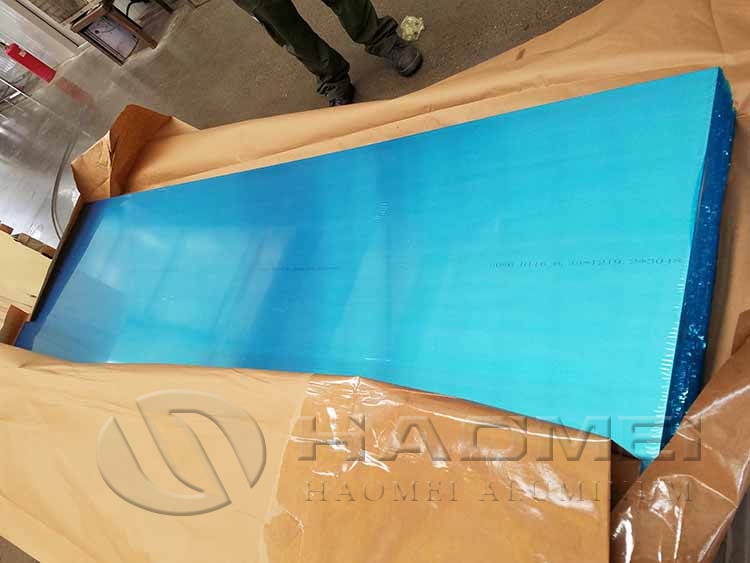
Use the following process check before releasing production material.
| Processing question | Recommended action for H14 material |
|---|---|
| Is a sharp bend required? | Define bend direction, inside radius and bend angle. Validate with a production-representative sample. |
| Is deep drawing planned? | Evaluate O temper or consult the fabricator, because strain hardening reduces drawability. |
| Is anodising required? | Set a surface-quality agreement and test a sample, as rolling marks and handling damage can become visible. |
| Is electrical performance critical? | Specify conductivity requirements separately; alloy and temper names alone do not establish acceptance values. |
| Will material be laser cut or stamped? | Confirm burr limits, edge-quality expectations and protective-film compatibility. |
| Are wide panels involved? | State flatness limits and packaging supports to limit handling distortion. |
A useful control is to retain one approved sample panel from the first delivery. Compare later deliveries for surface, thickness, bend response and protective-film removal. This provides a repeatable benchmark without substituting visual judgement for certified mechanical testing.
For applications that need a comparable commercially pure option but use a different chemistry specification, 1100 Aluminum Alloy Sheet should be assessed against the stated standard, forming method and finishing requirement rather than selected solely on nominal similarity.
Control Cost, Inspection and Delivery Risk
Aluminium pricing is normally built from a published primary-aluminium reference, regional premium, conversion charge, alloy or processing additions, packaging and freight. For this reason, a quoted price should identify its metal-price basis, currency, validity period, Incoterms rule, quantity basis and dimensional assumptions. A low quoted unit price can become non-comparable when tolerance, surface protection or certificate requirements are omitted.
At receipt, verify the following before material enters production:
- Match coil, bundle or pallet identification with the mill test certificate.
- Measure thickness at multiple positions using calibrated equipment, following the agreed standard and tolerance method.
- Check width, length, edge condition and flatness against the purchase-order requirements.
- Inspect both surfaces under consistent lighting for dents, scratches, stains, roller marks and film defects.
- Confirm temper and mechanical test data are reported for the supplied thickness range.
- Record packaging condition, moisture exposure and transit damage before unloading is completed.
For corrosion-sensitive or appearance-critical work, define storage conditions as well. Keep material dry, separated from wet timber and protected from condensation. Aluminium naturally forms a protective oxide layer, but trapped moisture and incompatible contact materials can still create staining or corrosion concerns.
A complete request for quotation should therefore state: alloy and temper, governing standard, dimensions and tolerances, surface finish, protective film requirement, certification, packing method, delivery term and inspection criteria. This level of detail makes 1050 H14 material easier to compare, process and accept consistently.
https://www.alsheetplate.com/a/1050-h14-aluminium-sheet.html