




2mm Aluminium Checker Plate
Aug 13 26
The principal risk with 2mm Aluminium Checker Plate is ordering material that appears correct but has insufficient base-metal thickness, unsuitable corrosion resistance, or an unverified tread pattern. A raised pattern improves footing, but it does not automatically make a floor slip-resistant in every wet, oily, or contaminated environment.
For industrial flooring, vehicle interiors, ramps, wall protection, and access platforms, specify the substrate and the raised pattern separately. This prevents disputes over gauge, weight, fabrication performance, and delivered cost.
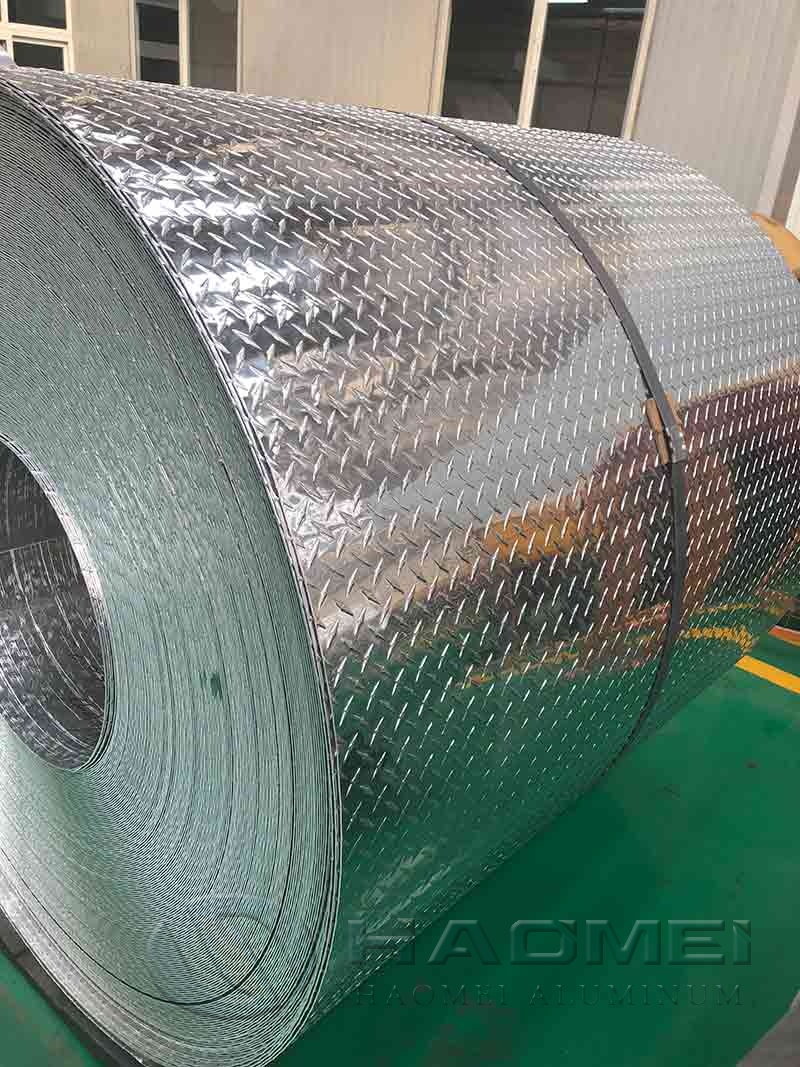
Specify Thickness, Alloy, Temper, and Pattern Before Quoting
A 2.00 mm flat aluminium panel weighs approximately 5.40 kg/m², calculated as 2.00 mm × 2,700 kg/m³. Checker embossing adds metal above the base and can increase actual mass. Therefore, a purchase specification should state both the base thickness and the overall thickness across the raised pattern.
Do not accept "2 mm tread plate" as a complete requirement. Some mills quote nominal substrate thickness, while fabricators may measure the total height at the pattern. Establish the inspection method in the order.
| Item to control | Recommended requirement | Why it matters |
|---|---|---|
| Base thickness | 2.00 mm nominal, with tolerance referenced to the agreed standard | Determines stiffness, forming behavior, and metal weight |
| Pattern | Five-bar, diamond, or approved sample | Affects traction, drainage, cleaning, and visual match |
| Overall thickness | Report pattern height and measuring location | Avoids confusion between substrate and raised surface |
| Alloy and temper | 3003 H22/H24 or 5052 H32, as applicable | Controls corrosion resistance and dent resistance |
| Surface | Mill finish, protective film if required | Limits transit scuffing and fabrication damage |
| Edge and flatness | Define cut-edge quality and allowable distortion | Reduces fitting and welding delays |
The most common commercial options are compared below.
| Material | Practical use | Strength and corrosion profile | Caution |
|---|---|---|---|
| 3003 H22/H24 | Indoor platforms, toolboxes, vehicle lining, decorative protection | Good formability and general atmospheric corrosion resistance | Not the preferred selection for persistent salt exposure |
| 5052 H32 | Truck bodies, marine-adjacent equipment, damp service areas | Better resistance to marine and industrial environments; higher strength than 3003 | Usually carries a higher conversion and alloy cost |
| 5754 H114/H22 | Transport floors and European industrial applications | Good corrosion resistance and forming balance | Confirm temper availability and dimensional standard |
For wet, coastal, de-icing salt, or chemical-splash conditions, 5052 or 5754 normally merits evaluation over 3003. An Aluminum Alloy Sheet 5052 substrate is often selected where atmospheric corrosion resistance and moderate forming strength must be balanced. For conventional dry-service tread applications, Alloy 3003 Aluminum Sheet remains a widely used economical option.
Control the Top Concern: Traction Is Not a Guaranteed Slip Rating
Raised tread improves contact under footwear and tyres by disrupting a smooth surface. However, traction performance depends on the pattern geometry, contamination, footwear, slope, drainage, and direction of travel. Oil, mud, ice, loose powder, or standing water can substantially reduce performance.
If a project requires a measured slip-resistance level, request testing of the finished product, not a general statement that checker pattern is "anti-slip." Applicable test selection depends on the jurisdiction and end use. Examples include pendulum testing under EN 16165 for pedestrian surfaces and the ASTM E303 pendulum method. The project engineer should define the test method, condition, acceptance threshold, and sample orientation before production.
Use this pre-production checklist:
- Approve a physical pattern sample under normal lighting.
- Confirm base thickness with a calibrated micrometer away from raised bars.
- State whether traction testing is needed in dry, wet, or contaminated conditions.
- Define tread-bar orientation relative to ramps, walking direction, or vehicle travel.
- Require drainage gaps or cleaning access where liquid accumulation is possible.
- Protect exposed cut edges and avoid galvanic contact with incompatible metals in wet service.
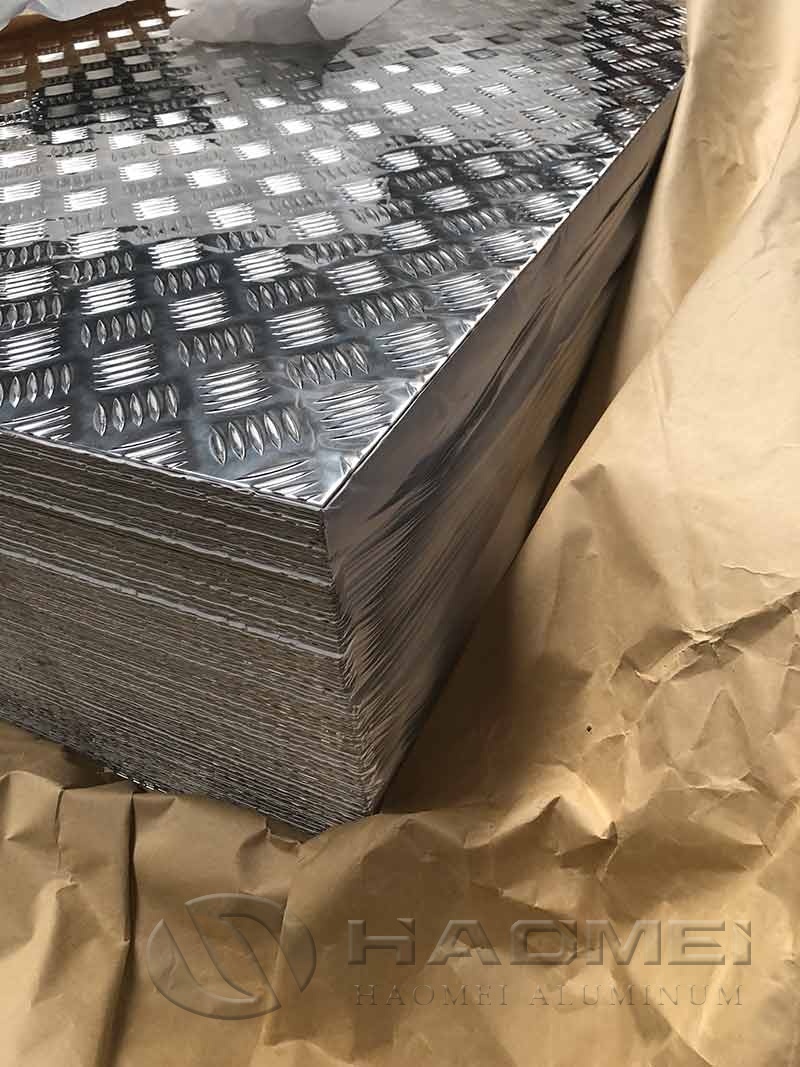
Standards, Inspection, Pricing, and Supply Planning
For rolled tread plate, common reference documents include ASTM B632/B632M, covering aluminium-alloy rolled tread plate, and EN 1386, covering aluminium and aluminium-alloy checkered plates. Mechanical-property requirements can also be agreed with reference to EN 485-2 where relevant. These documents do not replace a complete order specification: alloy, temper, dimensions, pattern, inspection quantity, and acceptance criteria still need to be stated.
Request a mill test certificate showing heat or lot traceability, chemical composition, temper, mechanical properties where applicable, dimensions, and mass. At receipt, inspect a representative number of panels for base thickness, width, length, diagonal difference, edge condition, surface marks, and pattern consistency. Retain photographs and measured results before cutting or fabrication.
A practical release inspection plan is:
| Check | Method | Hold point |
|---|---|---|
| Alloy and temper | Review certificate against order | Before loading or dispatch |
| Base gauge | Micrometer at agreed positions between bars | Before acceptance |
| Dimensions | Calibrated tape and diagonal measurement | Per pack or agreed sampling plan |
| Pattern and finish | Visual inspection against approved sample | Before protective film removal |
| Packaging | Check moisture barrier, pallet support, and labels | Before container sealing |
Price should be evaluated as a formula rather than a single number. A transparent quotation separates: exchange-based primary aluminium reference, regional premium, alloying and rolling conversion, pattern rolling, cut-to-size work, protective film, packing, inland freight, ocean freight, insurance, duties, and taxes. Compare offers on the same Incoterm, width, length, alloy, temper, base thickness, and net weight.
Aluminium pricing moves with LME reference prices, regional premiums, energy costs, scrap availability, freight capacity, and trade measures. For import programs, check duty exposure before contracting. In the EU, the Carbon Border Adjustment Mechanism entered its definitive phase from 1 January 2026, creating reporting and certificate obligations for covered imports, subject to the product classification and importer status. REACH obligations may also apply to substances used in coatings, films, or packaging. In the United States, Section 232 aluminium measures and country-specific arrangements can affect landed cost.
Supply risk is reduced by qualifying at least two mills or conversion routes, approving a retained reference sample, and setting a rolling forecast. For recurring demand, reserve capacity using a quarterly metal-price mechanism while maintaining clear tolerances for width, length, flatness, and allowable surface variation.
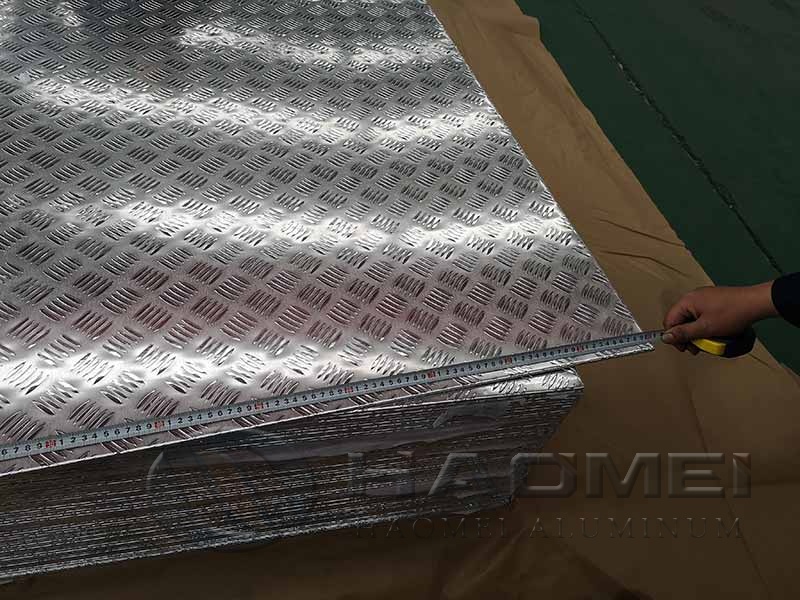
A well-controlled order for 2 mm patterned aluminium identifies the base gauge, alloy-temper combination, tread geometry, service environment, inspection method, and price formula. These details protect installation performance and make quotations comparable across mills and distributors.
https://www.alsheetplate.com/a/2mm-aluminium-checker-plate.html