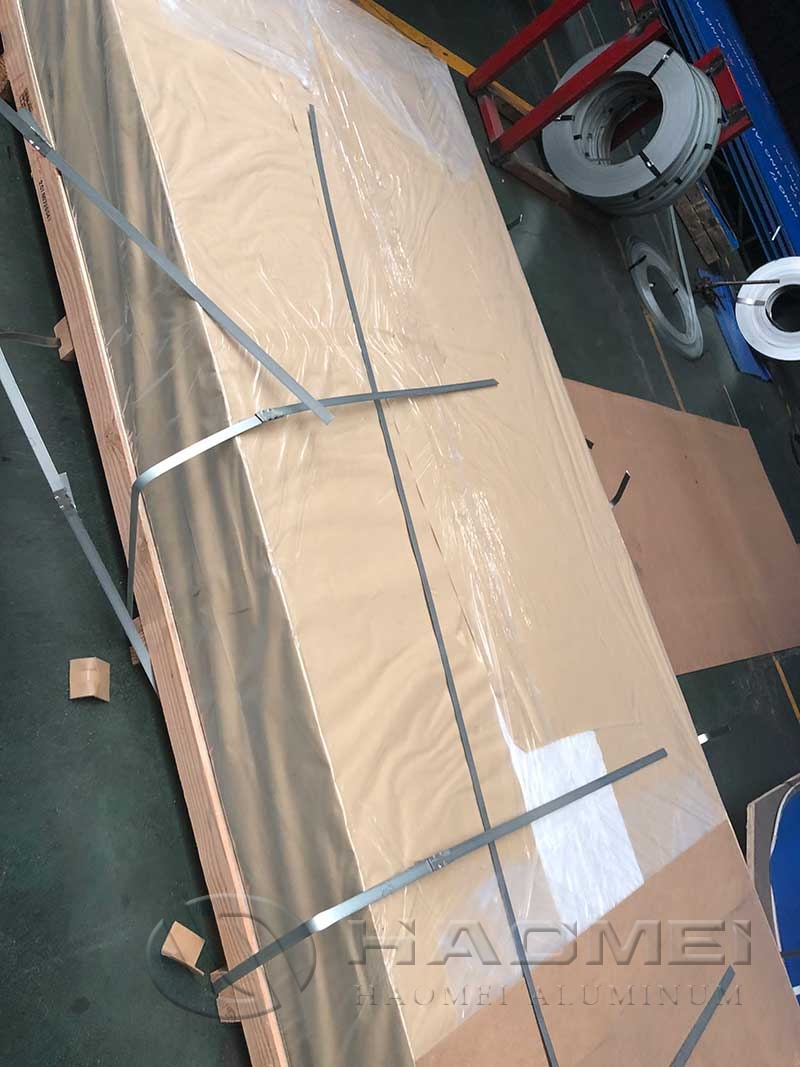

Aluminum Diamond Plate
Jul 30 26
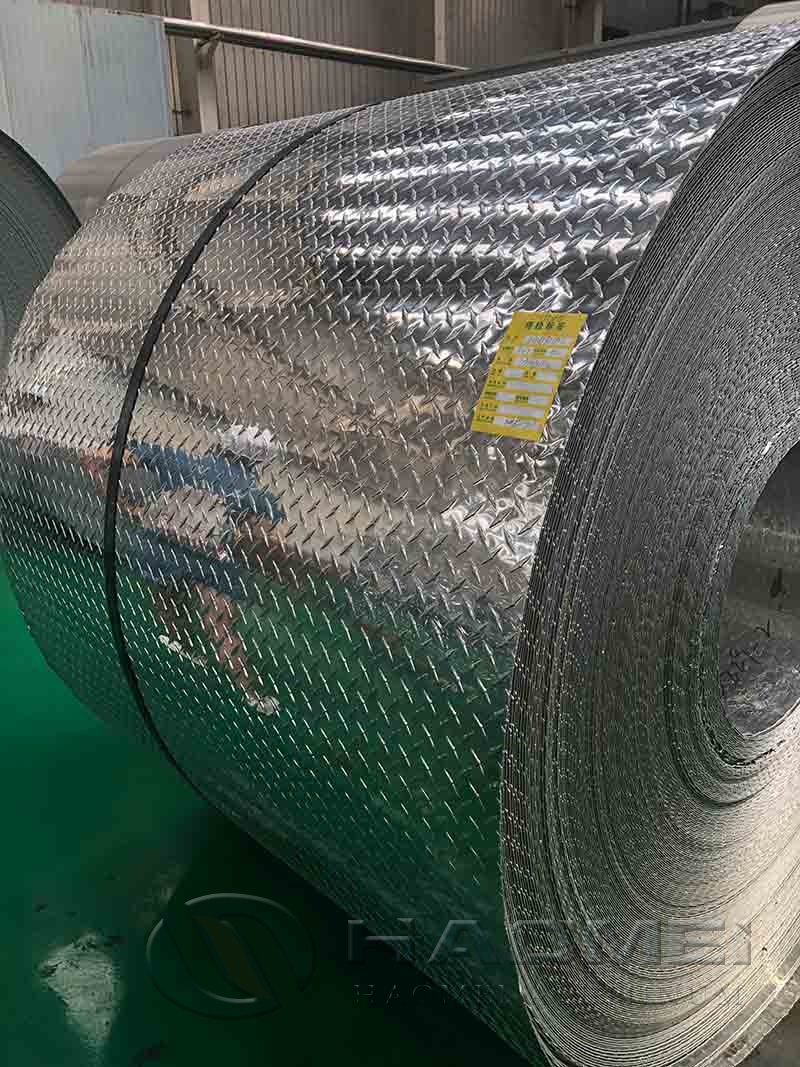
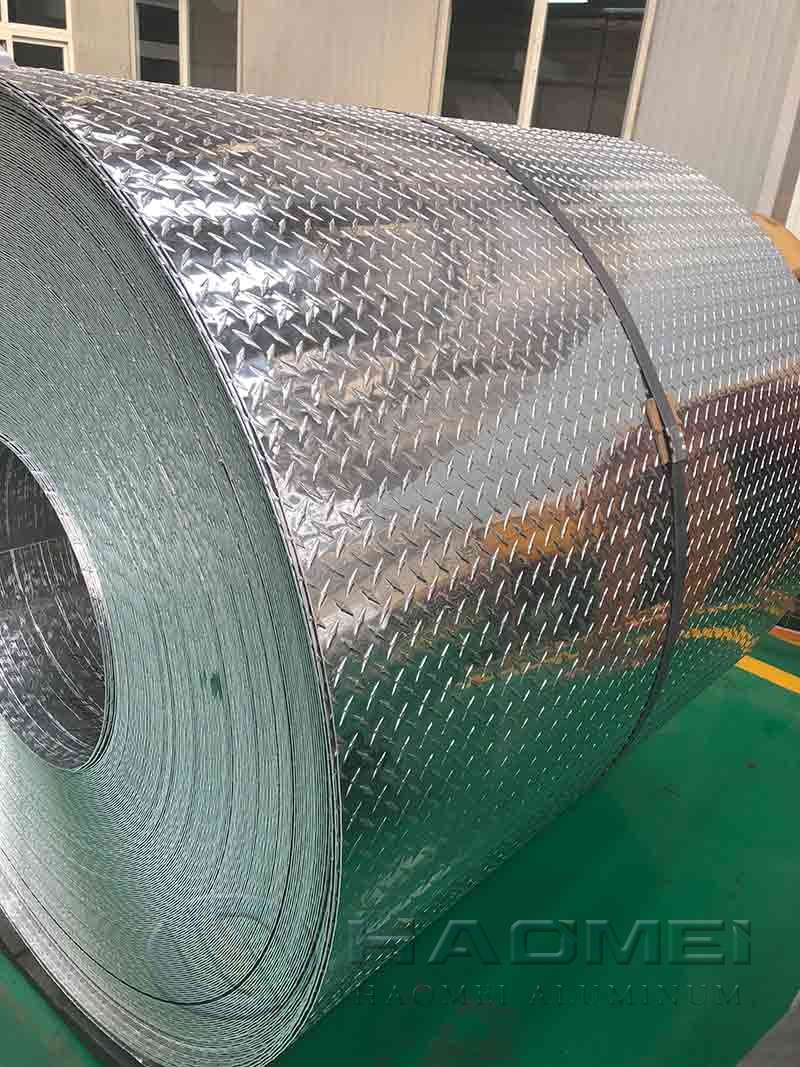
Aluminum diamond plate, also called tread plate or checker plate, is recognized by its raised diamond pattern. The pattern improves traction, hides minor scuffs, and gives trailers, steps, toolboxes, walls, and work areas a durable industrial appearance.
This Q&A selection reflects high-intent English questions appearing across recent public search and community discussions. The right choice depends on alloy, thickness, traffic level, exposure to moisture, and whether the material is decorative or structural.
| Common application | Typical priority | Often considered alloy |
|---|---|---|
| Trailer floor or ramp | Strength and dent resistance | 6061 or 5052 |
| Truck toolbox | Corrosion resistance and appearance | 3003 or 5052 |
| Boat step or dock access | Moisture and salt resistance | 5052 |
| Interior wall protection | Formability and cost control | 3003 |
| Heavy-duty industrial platform | Load capacity and rigidity | 6061 |
1. What is the best aluminum diamond plate alloy for a trailer floor?
For many trailer floors, 6061-T6 is selected when higher strength and stiffness matter most. It resists bending better than softer decorative-grade material, making it suitable for utility trailers carrying wheeled equipment, machinery, or concentrated loads. However, strength alone does not guarantee a long-lasting floor. The support spacing underneath the plate and the way loads are distributed often have a larger effect on deflection than a small increase in thickness.
5052 is another strong option, especially for trailers exposed to rain, road salt, or frequent washing. It has excellent corrosion resistance and generally forms more easily than 6061. For enclosed trailers, ramps, and side panels, 5052 can offer a practical balance between durability and fabrication flexibility.
For projects requiring a high-strength option, 6061 Aluminum Sheet Plate is commonly evaluated for structural applications. For wet or corrosive environments, Aluminum Alloy Sheet 5052 is often preferred because of its corrosion performance.
A useful rule is to match the alloy to the job. Use 6061-T6 where stiffness and load support are critical. Use 5052 where corrosion, forming, and long-term outdoor exposure are dominant concerns. Use 3003 where the plate is primarily decorative, protective, or subject to lighter foot traffic.
2. What thickness aluminum diamond plate should I use for a truck bed, ramp, or floor?
Thickness should be chosen from the actual span between supports, expected load, wheel contact area, and acceptable amount of flex. A plate that feels firm under foot may still deform under a narrow cart wheel or a loaded pallet jack.
| Application | Common starting thickness range | Important consideration |
|---|---|---|
| Decorative wall or cabinet facing | 0.040 in. to 0.063 in. | Avoid oil-canning by using proper adhesive support |
| Toolbox lid or light-duty cover | 0.063 in. to 0.100 in. | Consider hinge and latch reinforcement |
| Pickup bed protection | 0.100 in. to 0.125 in. | Check support from the existing bed floor |
| Utility trailer floor | 0.125 in. to 0.190 in. | Allow for crossmember spacing and wheel loads |
| Equipment ramp or platform | 0.190 in. and above | Verify load rating and frame design |
Remember that advertised thickness can mean base-metal thickness, while the raised pattern adds height above the base. When fitting trims, fasteners, thresholds, or mating panels, ask for both base thickness and overall thickness. This avoids gaps, uneven joints, and misaligned hardware.
3. Is aluminum diamond plate actually slip resistant when wet?
The raised pattern improves grip compared with smooth aluminum, but it is not automatically slip-proof. Water, oil, mud, snow, polishing residue, and worn footwear can significantly reduce traction. The diamond pattern provides edges that help interrupt sliding, yet the real result depends on contamination, slope angle, footwear, and foot traffic direction.
For dry interior walkways, standard mill-finish tread plate is often adequate. For stairs, marine access points, food-processing areas, or outdoor ramps, additional traction measures may be necessary. These can include anti-slip tape, abrasive inserts, rubber matting, drainage channels, or a coating engineered for wet conditions.
Do not rely on pattern depth alone when safety is involved. A deeper-looking pattern may improve appearance but does not replace a proper slip-resistance assessment. If the plate will be installed on an incline, confirm the intended use, cleaning process, and likely contaminants before selecting the surface.
4. Why does aluminum diamond plate look dull, scratched, or stained after installation?
Most visual issues come from handling rather than a defect in the metal. Mill-finish aluminum has a natural industrial appearance, so it can show fingerprints, installation marks, scuffs, adhesive residue, and water spotting. The raised pattern also catches dirt and polishing compound, making uneven cleaning more obvious.
Use a pH-neutral cleaner with a soft nylon brush, cleaning in one consistent direction where possible. Rinse thoroughly and dry the surface to reduce mineral spotting. Avoid steel wool, aggressive alkaline cleaners, and harsh acids because they can embed contamination, discolor aluminum, or leave a blotchy finish.
For a polished look, specify a finish intended for visible decorative surfaces instead of assuming standard mill finish will perform like mirror-polished material. Protective film can reduce transit scratches, but it should be removed soon after installation. Leaving film exposed to sunlight for too long can make removal difficult and may leave adhesive marks.
5. How much does aluminum diamond plate weigh compared with steel tread plate?
Aluminum is approximately one-third the density of carbon steel, so aluminum diamond plate can substantially reduce total equipment weight. This is valuable for trailers, truck accessories, mobile workstations, transport cases, and marine structures where every pound affects payload, handling, or fuel use.
As a rough comparison, a 0.125 in. aluminum base plate weighs about 1.8 pounds per square foot before allowing for pattern variation. A similarly sized steel tread plate is commonly near three times heavier. Exact weight changes with alloy, base thickness, pattern geometry, width, and manufacturing tolerance.
When requesting a quotation, provide the alloy, temper, base thickness, overall dimensions, finish requirement, intended application, and whether the plate must be cut to size. These details help determine a realistic weight estimate, suitable packaging method, and material choice for the project.