




Alloy 5052 H32
Jun 12 26
Questions about alloy 5052 H32 have been appearing often in English Q&A spaces, search suggestions, sourcing emails, and fabrication discussions. The interest usually comes from people comparing corrosion resistance, bendability, strength, and cost before choosing aluminum for tanks, panels, enclosures, trailers, marine parts, discs, and formed components.
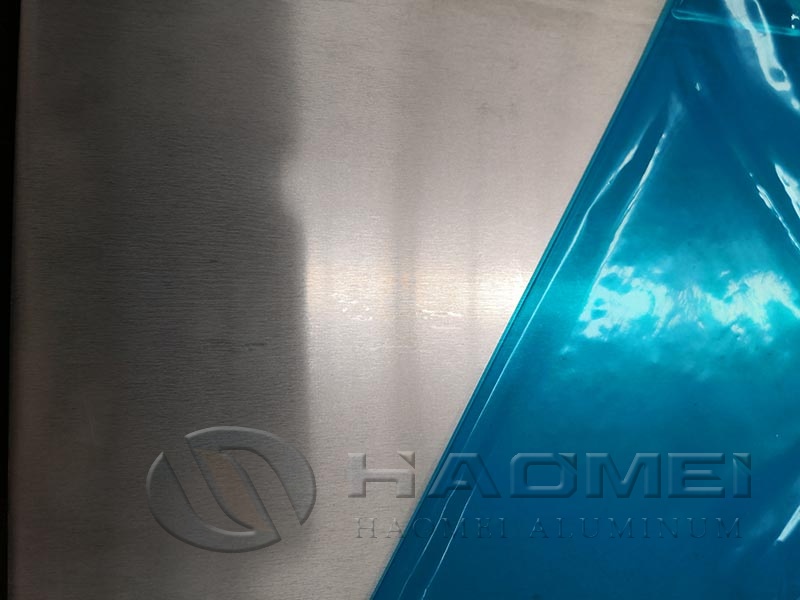
Alloy 5052 belongs to the magnesium-bearing 5000 Series. The H32 temper means it has been strain hardened and then stabilized, giving it a practical balance of strength and formability. It is not heat-treatable like 6061-T6, but it is often preferred when saltwater resistance and bending performance matter.
| Item | Typical note for alloy 5052 H32 |
|---|---|
| Main alloying element | Magnesium, with small chromium addition |
| Temper meaning | H32, strain hardened and stabilized, about quarter-hard condition |
| Density | About 2.68 g/cm3 |
| Typical tensile strength | Commonly around 210 to 260 MPa, depending on thickness and standard |
| Typical yield strength | Often around 130 to 180 MPa, depending on thickness and standard |
| Strength advantage | Stronger than 3003, easier to form than many high-strength alloys |
| Corrosion behavior | Very good in marine and industrial atmospheres |
| Common standards | ASTM B209, EN 485, or project-specific mill certificate requirements |
1. Is alloy 5052 H32 strong enough for marine parts, fuel tanks, and trailers?
Yes, in many cases it is strong enough, especially where corrosion resistance and fatigue behavior are more important than maximum static strength. Alloy 5052 H32 is widely used for marine panels, small boat components, fuel tanks, pressure-free reservoirs, trailer side panels, tool boxes, cabinets, and road equipment.
The reason people ask this question is that 5052 H32 looks softer on paper than 6061-T6. That comparison can be misleading. A welded 6061-T6 part loses a portion of its heat-treated strength in the weld zone, while 5052 is non-heat-treatable and keeps a more predictable performance after welding. For tanks, splash zones, and formed covers, 5052 H32 often gives a cleaner balance of strength, corrosion resistance, and fabrication reliability.
For structural beams, high-load brackets, or heavily machined parts, an engineer may still choose another alloy. For formed covers, tanks, marine trim, and moderate-load panels, alloy 5052 H32 is usually a practical candidate.
2. What is the difference between 5052 H32 and 6061-T6?
The short answer is that 5052 H32 is usually better for forming and corrosion resistance, while 6061-T6 is usually stronger and better for machining. They are both aluminum, but they behave differently in production.
| Comparison point | 5052 H32 | 6061-T6 |
|---|---|---|
| Alloy family | Al-Mg | Al-Mg-Si |
| Heat treatable | No | Yes |
| Forming performance | Very good | Limited in T6 condition |
| Marine corrosion resistance | Very good | Good, but less preferred in constant salt exposure |
| Welding response | Good and stable | Weld zone strength drops from T6 level |
| Machining | Fair | Good |
| Typical use | Tanks, covers, panels, marine parts | Frames, machined parts, structural components |
If the part needs deep bending, rolling, flanging, or salt-spray durability, 5052 H32 often wins. If the part needs threaded holes, thick machined blocks, or higher rigid structural performance, 6061-T6 may be better. For customers comparing product options, Aluminum Alloy Sheet 5052 is usually reviewed when the project involves forming, corrosion exposure, or welded fabrication.
3. Can alloy 5052 H32 be bent without cracking?
Yes, alloy 5052 H32 is known for good bending performance. However, bend success depends on thickness, bend direction, punch radius, tooling condition, and whether the edge is burr-free. A common mistake is using a radius that is too tight because the material feels soft by hand.
For thinner gauges, a small inside radius may work. For thicker plate, the inside bend radius should increase. Bending across the rolling direction is often safer than bending parallel to it. If the part has laser-cut edges, removing sharp burrs can reduce crack initiation. For cosmetic panels, using protective film during forming can help reduce surface scratches.
A practical purchasing note: ask the supplier to confirm temper, thickness tolerance, and whether the surface is suitable for bending. If the order will be used for discs, covers, stamped blanks, or curved housings, the forming direction and surface protection should be discussed before production.
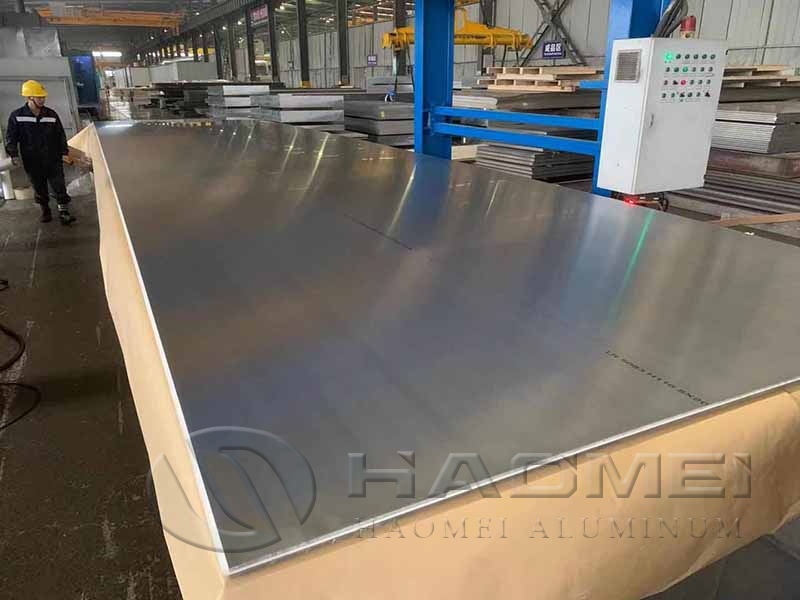
4. Is 5052 H32 good for anodizing, painting, and welding?
5052 H32 can be anodized, painted, and welded, but the expected appearance should be defined clearly. It anodizes better than many high-copper or high-silicon alloys, though color uniformity can vary by batch, surface finish, and processing route. If the final part is decorative, request a sample or define the acceptable color range.
For painting or powder coating, 5052 H32 usually performs well after proper cleaning and pretreatment. Its corrosion resistance supports coated outdoor products such as sign panels, equipment covers, vehicle panels, and marine accessories.
For welding, 5052 is generally friendly. Common filler choices include 5356, depending on the application and service environment. After welding, distortion control still matters because aluminum conducts heat quickly. For tanks and enclosures, leak testing and weld procedure control are more important than simply choosing a familiar alloy name.
5. How should I specify alloy 5052 H32 when requesting a quotation?
A clear request reduces misunderstandings and avoids receiving a material that is close but not suitable. Include the alloy, temper, thickness, width, length or coil weight, quantity, surface requirement, tolerance standard, packaging method, and certificate requirement.
| Specification item | Example wording |
|---|---|
| Alloy and temper | 5052 H32 |
| Thickness | 1.5 mm, 2.0 mm, 3.0 mm, or project value |
| Size form | Flat panel, coil, narrow strip, foil gauge, blank, or circle |
| Standard | ASTM B209 or EN 485, if required |
| Surface | Mill finish, brushed, anodizing quality, PVC film, or painted surface |
| Tolerance | Standard tolerance or tighter project tolerance |
| Documentation | Mill test certificate, chemical composition, mechanical properties |
| Packaging | Export wooden pallet, moisture protection, edge protection |
Price is affected by LME aluminum movement, magnesium cost, thickness, width, order quantity, surface treatment, and cutting loss. Thin material and narrow strip may require additional processing, while heavy plate or tight tolerances can also raise the final cost. Instead of comparing price per ton alone, compare usable yield, flatness, surface quality, and packaging protection, because damage and poor formability can cost more than a small price difference.
For many projects, alloy 5052 H32 is chosen because it sits in a useful middle position: stronger than common 3003, more formable than many hard tempers, and more corrosion resistant than several general-purpose aluminum options.