




Standard Aluminium Sheet Sizes vs Custom Cut-to-Size What Buyers Should Choose
Aug 06 26
When purchasing aluminum sheets, many buyers focus solely on the alloy material, thickness, and price, often overlooking the differences between standard sheets and custom-cut sheets. This oversight can lead to a series of issues, such as project delays, excessive waste, and budget overruns. To assist with precise material selection, this article outlines the mainstream standard specifications for aluminum sheets and compares the key differences between standard and custom sheets, helping to match materials to specific construction and processing scenarios.
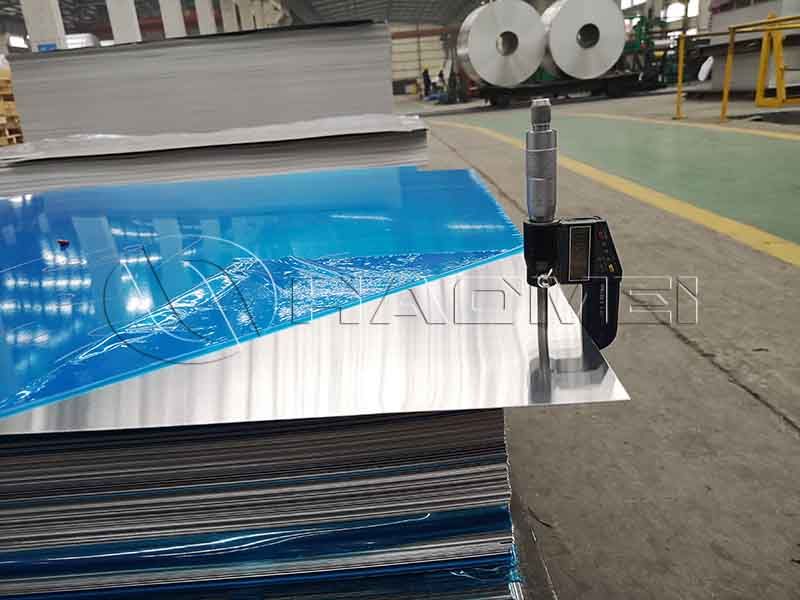
I. Standard Aluminum Sheet Specifications
1. Four Core Metric Standard Specifications
1000×2000mm: A fundamental, small-format sheet in the industry. It is easy to handle and flexible to process, making it ideal for small hardware components, equipment covers, small interior decorative items, and signage. With ample market inventory and ready availability from almost all manufacturers, it suits small-batch and ad-hoc processing needs, offering a high margin for error in procurement.
1250×2500mm: A widely popular, general-purpose specification and a mainstream choice for residential and commercial interior projects as well as standard mechanical processing. Compared to smaller sheets, it offers a larger surface area per sheet and requires fewer seams, making it suitable for suspended ceilings, wall cladding, standard equipment housings, and general sheet metal fabrication. Thanks to mature mass production and low unit prices, it offers the best overall cost-performance ratio.
1500×3000mm: A medium-to-large sheet designed for engineering projects. Offering extensive coverage, it is frequently used for curtain wall cladding, large equipment panels, vehicle body panels, and outdoor structural applications. This specification strikes a balance between practicality and cost-effectiveness; it avoids the frequent seaming issues associated with smaller sheets while keeping transportation and processing costs lower than those of extra-large sheets, making it the preferred choice for medium-to-large-scale projects.
2000×6000mm: An industrial-grade, extra-large sheet. Characterized by its exceptional length and width, it is suitable for large industrial equipment, vehicle bodies, ship decks, and large-scale curtain wall installations. Its core advantage is the ability to achieve seamless installation, resulting in superior surface flatness and aesthetic appeal. However, this size presents significant logistical and storage challenges, and ready-made stock is limited in the market.
2. Imperial Standard Aluminum Sheet Specifications
Export trade and overseas projects primarily utilize two imperial specifications: 5×10-foot and 24x36 inch aluminum sheet. The 5x10 aluminum sheet converts to a metric size of 1524×3048 mm; this is close to the domestic 1500×3000 mm standard and serves as a mainstream large-format sheet for overseas construction and large-scale equipment manufacturing.
The smaller 24x36 aluminum sheet is suitable for processing hardware components, precision sheet metal parts, and small decorative elements, making it a common choice for cross-border, small-batch orders. Imperial standard sheets eliminate the need for secondary cutting or unit conversion, allowing for precise alignment with overseas construction and equipment standards while effectively minimizing processing errors.
II. Standard Sheets vs. Custom-Cut Sheets
1. Differences in Delivery Lead Times
Standard aluminum sheets are mass-produced factory products; common alloys and thicknesses are kept in stock, enabling same-day ordering and next-day shipment. With no waiting period, they are ideal for projects with tight schedules or urgent material needs.
Custom-cut sheets are not stocked and require a full production cycle: raw material preparation, precise nesting/layout, machine cutting, edge trimming and grinding, and quality inspection/packaging. Standard sizes typically take 3–5 days to process, while orders involving irregular shapes, oversized dimensions, or high-precision requirements may take 7–10 days. Raw material shortages or large-volume orders can cause further delays, making them unsuitable for projects requiring rapid turnaround.
2. Differences in Material Waste
Material waste is a hidden cost that is easily overlooked. Standard finished sheets require no secondary cutting, resulting in minimal processing waste—overall waste rates can be kept between 1% and 2%, with only minor scrap generated during subsequent end-user processing. They are the preferred low-waste option for projects requiring standard dimensions.
Waste from custom sheets primarily stems from offcuts during raw material cutting. Reputable manufacturers use intelligent nesting software to keep waste rates between 3% and 5%, though cutting irregular or non-standard shapes can result in waste rates as high as 10%. However, custom sheets allow for precise material usage based on specific needs, preventing the inefficiency of using large sheets for small parts. They are well-suited for non-standard applications and small-batch requirements; additionally, factories can recycle scrap to offset costs, further mitigating financial losses from waste.
3. Cost Differences
Unit Price: Standard panels benefit from mature mass-production processes, incurring no extra processing fees and offering transparent, low unit prices. Custom panels, however, entail charges for cutting, edge trimming, and layout optimization; high-precision, irregular-shape orders command even higher prices. Consequently, the price per square meter for custom panels is generally higher than that of standard panels, and the unit price of standard imperial-sized panels (common in export markets) is far lower than that of non-standard custom panels of the same dimensions.
Total Cost: When project dimensions align with standard specifications, standard panels offer a lower total cost. Conversely, if dimensions deviate significantly, forcing the use of standard panels—which then require on-site cutting—results in substantial costs related to waste, labor, and equipment wear. Although custom panels have a higher unit price, they eliminate the need for secondary processing, thereby saving on labor and equipment costs and allowing for better control of total costs in large-volume, non-standard orders.
III. Selection Guide for Different Scenarios
Procurement decisions should be based on project timelines, dimensional specifications, and processing requirements to maximize cost-effectiveness.
Prioritize Standard Aluminium Sheet Sizes for: Tight schedules and large-scale standardized production; projects where dimensions align with the four major metric specifications or export-oriented imperial specifications; and general decorative or sheet metal processing projects that prioritize rapid delivery, low material loss, and low unit costs.
Prioritize Custom Cut-to-Size Aluminum Sheet for: Projects with non-standard dimensions, complex irregular structures, or small-batch/fragmented material needs; situations lacking in-house processing equipment but requiring high precision and no secondary processing; and precision engineering, niche customization, or irregular-shape projects where strict control over material waste and minimization of overall losses are essential.