




Polished Aluminum Sheet
May 29 26
Polished Aluminum Sheet: solving the scratch and finish consistency problem
For reflective panels, lighting housings, signage, elevator interiors, appliance trim, and decorative fabrication, the main risk is rarely base metal strength. The costly problem is visible surface variation: scratches, orange peel, haze, film marks, color drift, and inconsistent reflectivity across production batches.
A polished aluminum sheet is produced by rolling, leveling, mechanical polishing, chemical treatment, anodizing, or a combination of these processes. ASTM B209 covers aluminum and aluminum-alloy flat products in the U.S. market, while EN 485 is widely used in Europe for aluminum flat products. These standards define mechanical and dimensional requirements, but mirror appearance still needs a written visual specification.
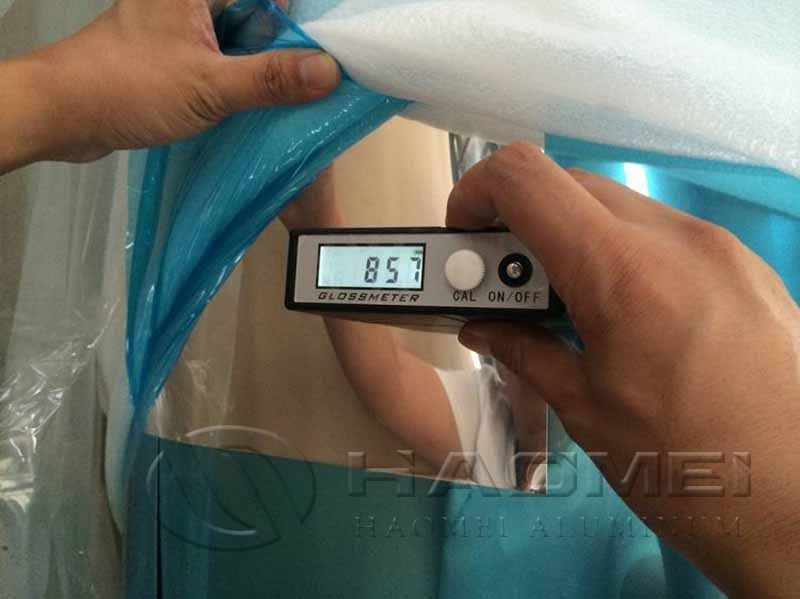
1. Start with the alloy: purity affects brightness
High-purity aluminum generally gives a brighter and cleaner reflective surface because fewer alloying elements interrupt the surface response during polishing and anodizing. For decorative mirror applications, 1xxx alloys are common because they offer high formability and corrosion resistance.
| Alloy option | Typical aluminum minimum | Practical advantage | Common limitation |
|---|---|---|---|
| 1050 | 99.50% | Good formability, economical bright finish | Lower strength than 3xxx or 5xxx alloys |
| 1060 | 99.60% | Balanced cost and reflectivity | Needs careful handling to avoid dents |
| 1070 | 99.70% | Higher purity for better brightness | Price usually higher than 1050/1060 |
| 1085 | 99.85% | Premium mirror and lighting use | Higher material cost, tighter process control needed |
| 3003 | Aluminum-manganese alloy | Better strength than 1xxx | Lower mirror brightness than high-purity grades |
For premium reflectors and decorative mirror panels, 1085 Aluminum Sheet is often selected because its high aluminum content supports a cleaner polished appearance. For formed parts where cost and ductility matter, 1050 O H14 H18 Aluminium Sheet can be a practical option.
2. Match the surface finish to the real working environment
A mirror-like aluminum surface may look similar in photos, but performance changes significantly depending on whether it is bare polished, anodized, coated, or film protected.
| Finish type | Best use | Strengths | Risk to control |
|---|---|---|---|
| Mechanical polished aluminum | Indoor decoration, trim, nameplates | Bright surface, flexible processing | Oxidation, fingerprints, handling scratches |
| Mirror anodized aluminum | Lighting, ceiling, architectural panels | Improved surface hardness and oxidation resistance | Bending after anodizing may cause micro-cracks |
| Color anodized mirror aluminum | Interior design, signage | Stable decorative color when properly specified | Batch color variation if ΔE tolerance is not defined |
| Film-laminated polished surface | Fabrication and transport protection | Reduces scratches before installation | Adhesive residue if film quality or storage is poor |
ISO 7599 is a recognized standard for anodized aluminum and aluminum alloys. If the reflective material will be used outdoors or in humid interiors, specify anodized thickness, sealing quality, and corrosion testing instead of asking only for a polished face.
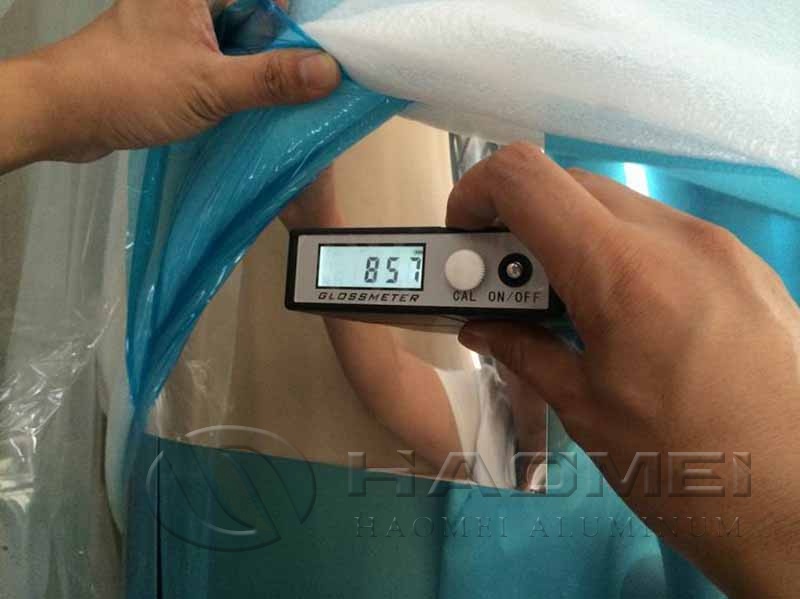
3. Define measurable appearance requirements
Terms such as mirror finish, high gloss, and bright surface are not enough for repeat orders. Use measurable criteria that production and inspection teams can verify.
| Concern | Recommended control method | Example specification language |
|---|---|---|
| Gloss variation | ASTM D523 gloss measurement | State gloss angle, target value, and tolerance |
| Reflectance | ASTM E903 or agreed spectrophotometer method | State total or specular reflectance and wavelength range |
| Color shift | CIE Lab color measurement | Define maximum ΔE between approved sample and batch |
| Surface defects | Visual inspection under fixed lighting | Inspect at 1 m under 600-1000 lx after removing protective film |
| Scratches | Length, width, and density limit | No visible linear scratch over the agreed length in the exposed area |
| Film residue | Peel and aging test | No adhesive transfer after agreed storage and removal test |
For industrial orders, approve a physical master sample before mass production. Keep one sealed sample at the producer's site and one at the receiving warehouse. This reduces disputes because both sides compare against the same surface reference.
4. Choose temper and thickness for fabrication, not only appearance
Reflective aluminum is easily damaged during bending, punching, laser cutting, stamping, and packaging. Temper selection directly affects flatness, springback, and dent resistance.
| Fabrication need | Suitable temper direction | Why it matters |
|---|---|---|
| Deep drawing or strong forming | O temper | Softer material reduces cracking and helps complex forming |
| Light bending and general panels | H14 or H24 | Moderate strength with workable ductility |
| Flat decorative panels | H18 or harder tempers | Better stiffness, but forming ability is reduced |
| Tight radius bending | Test before production | Polished or anodized faces may craze if radius is too small |
Also specify thickness tolerance and flatness according to ASTM B209, EN 485, or the contract drawing. Reflective panels show waves more clearly than mill finish aluminum, so flatness acceptance should be stricter for elevator panels, ceilings, and appliance fronts.
5. Use a pricing formula that explains cost changes
Polished and mirror aluminum pricing is affected by several transparent inputs:
| Cost element | How to verify it |
|---|---|
| Primary aluminum base price | Track LME aluminum cash price or regional market index used in the quotation |
| Alloy premium | Higher-purity alloys such as 1070 and 1085 normally cost more than 1050/1060 |
| Conversion cost | Rolling, leveling, polishing, anodizing, coating, and slitting add process charges |
| Surface protection | PE film, interleaving paper, pallets, and moisture packaging add cost but reduce claims |
| Order complexity | Narrow tolerances, small widths, special color, and strict inspection increase processing cost |
| Freight and duty | Confirm Incoterms, HS code, destination charges, and anti-dumping measures where applicable |
For compliance-sensitive markets, request RoHS Directive 2011/65/EU declarations and REACH SVHC status for coatings, films, adhesives, and surface treatments when products enter the EU supply chain.
6. Inspection checklist before release
Use this checklist before shipment authorization:
- Confirm alloy, temper, thickness, width, length, and surface finish match the signed order.
- Compare production pieces with the approved master sample under agreed lighting.
- Measure thickness and width using calibrated tools.
- Check flatness on a clean inspection table.
- Peel protective film from sample areas to inspect scratches, haze, residue, and stains.
- Verify gloss, reflectance, or color data if these values are part of the specification.
- Inspect edges for burrs, dents, and wave marks after cutting or slitting.
- Confirm packaging: film direction, interleaving paper, corner protection, desiccant, pallet strength, and moisture barrier.
- Record batch number, inspection date, test reports, and photos before loading.
7. Packing rules that prevent surface claims
- Keep polished faces protected until final installation or forming.
- Avoid sliding one panel across another, even with film applied.
- Use clean gloves; fingerprints can stain bare polished aluminum.
- Store in a dry warehouse away from alkaline materials and condensation.
- Do not leave removable protective film under high heat or direct sun longer than the film supplier's stated limit.
- For sea freight, use moisture-resistant packing and desiccant because white corrosion can develop when water is trapped between layers.
A polished aluminum sheet performs best when alloy purity, finish type, measurable appearance criteria, film quality, and packaging are controlled together from the first quotation to final inspection.