




1050 Aluminium Sheet
Oct 15 26
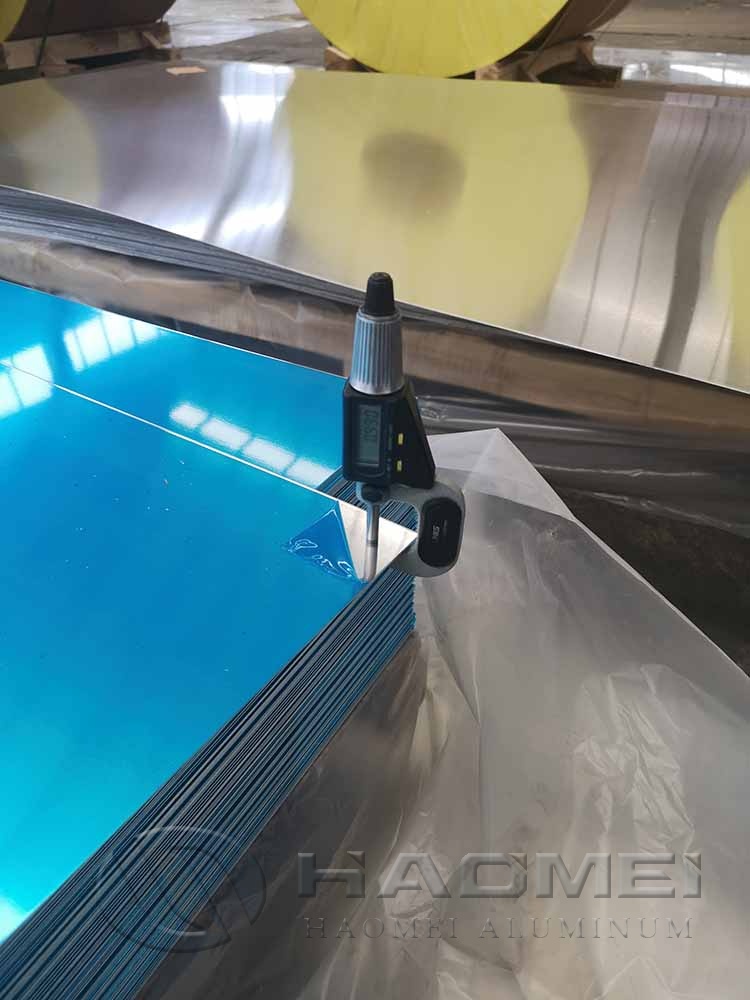
For high-volume fabrication, thickness consistency is often the main concern with 1050 aluminium sheet. A nominal 1.00 mm product that varies excessively across its width can cause press setup changes, uneven formed parts, inconsistent heat transfer, and avoidable scrap.
1050 is a commercially pure wrought aluminium grade in the 1000 series. Under EN 573-3, EN AW-1050A requires a minimum aluminium content of 99.5%. It is valued for corrosion resistance, formability, thermal conductivity, electrical conductivity, and surface appearance after finishing. It is not normally selected where high structural strength is required.
Material Selection: What 1050 Does Well and Where It Does Not
The alloy has low alloying content, which makes it easier to bend, deep draw, spin, emboss, anodise, and weld than many medium- and high-strength aluminium grades. Typical density is about 2.71 g/cm³. Electrical conductivity is commonly around 61% IACS in suitable conditions, although a project specification should define the required value and test method rather than rely on a catalogue figure.
| Requirement | 1050 Aluminium Performance | Practical Specification Action |
|---|---|---|
| Deep drawing or spinning | Excellent in O temper | Request O temper, grain direction details, and forming trial material |
| General bending and folding | Good in H14 | State minimum inside bend radius and bend direction |
| Decorative anodising | Generally suitable | Define surface class, allowable defects, and protective-film requirement |
| Heat-transfer panels | Good thermal conductivity | Control thickness, flatness, and contact-surface cleanliness |
| Electrical components | Good conductivity | Specify conductivity, temper, and test certificate values |
| Structural load-bearing parts | Limited strength | Evaluate 3000, 5000, or 6000 series alternatives |
Temper selection should follow the forming route, not inventory convenience. O temper provides the highest ductility for drawn lamp parts, cookware blanks, and shaped reflectors. H14 is half-hard and often suits folded panels, signs, and general fabrication. H18 is harder and may fit applications requiring improved dent resistance, but it has less forming latitude.
For projects that need certified temper options, define the requested condition using 1050 O H14 H18 Aluminium Sheet rather than accepting an unspecified "soft" or "hard" description.
Thickness, Flatness and Surface Controls
Thickness must be controlled using an agreed standard, measurement location, and acceptance rule. A mill certificate alone may show average results that do not reflect edge-to-centre variation on a wide coil. For sensitive stamping or laminating work, include a thickness map requirement in the purchase specification.
| Control Point | What to State on the Order | Why It Prevents Problems |
|---|---|---|
| Nominal thickness | Example: 0.80 mm | Establishes the design target |
| Thickness tolerance | EN 485-4 or another named standard | Avoids differing mill tolerance assumptions |
| Width tolerance | Nominal width and permitted deviation | Protects blanking yield and tooling alignment |
| Flatness | Standard and allowable wave or buckle level | Reduces feeding and laminating issues |
| Camber | Maximum allowable value per length | Helps slit strips run accurately |
| Surface | Mill finish, brushed, stucco, anodising quality, or coated | Prevents disputes over appearance |
| Protective film | Film type, adhesion level, and removal period | Reduces handling scratches without residue risk |
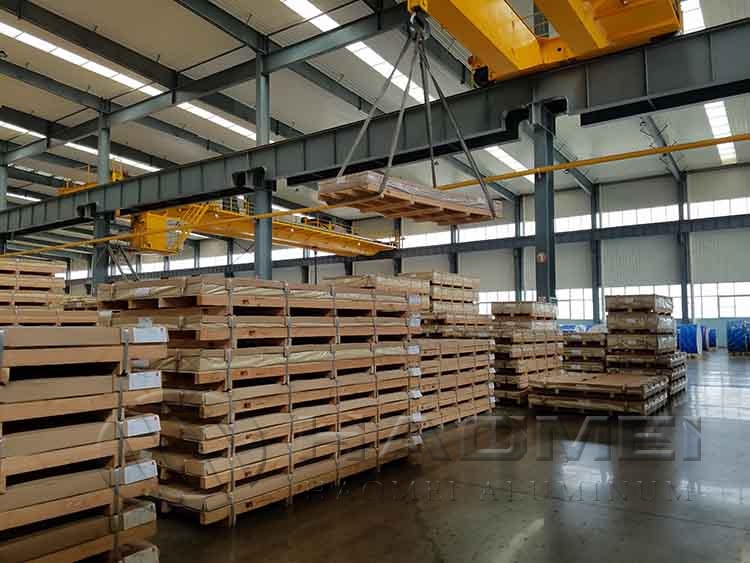
For slit material, also define burr direction, edge condition, inside diameter, outside diameter, maximum coil weight, and allowable welds. If the material will be laser cut, punched, or laminated, request samples from the same production route. Surface oil, coil set, and edge burrs can materially affect downstream performance.
A practical incoming-inspection plan includes these steps:
Verify alloy, temper, dimensions, net weight, and lot number against the packing list.
Match the inspection certificate to the delivered lot and confirm the governing standard.
Measure thickness at agreed positions across the width using calibrated equipment.
Check flatness, edge condition, coil telescoping, and transit damage before processing.
Retain a sample and photographs for the first delivery under each production lot.
Standards, Cost Exposure and Supply Planning
Use a standard that matches the destination market and product form. EN 573-3 covers chemical composition designations, while EN 485 series standards address mechanical properties and tolerances for aluminium and aluminium-alloy flat products. ASTM B209 is widely used for aluminium and aluminium-alloy plate and sheet specifications in North America. JIS H4000 may be relevant where Japanese industrial requirements apply.
Do not treat alloy designation alone as complete compliance. "1050" and "1050A" can be referenced differently across commercial documents. The purchase order should identify the exact standard, temper, thickness range, surface requirement, and certificate format. For regulated end uses, request material declarations relevant to the finished product. RoHS compliance, for example, applies to electrical and electronic equipment under Directive 2011/65/EU; an aluminium material declaration supports assessment but does not by itself certify the completed assembly.
1050 prices are usually driven by three commercial components:
| Cost Component | Typical Exposure | Planning Method |
|---|---|---|
| Primary aluminium | LME aluminium price movement | Agree the LME reference, quotation period, and currency |
| Conversion charge | Rolling, annealing, slitting, packaging, and yield | Obtain a separate conversion line where possible |
| Regional premium and freight | Warehouse location, import route, duties, and transport | Compare delivered cost, not only ex-works pricing |
The aluminium market is cyclical. Energy costs, alumina availability, smelter curtailments, construction demand, automotive output, and warehouse inventories can influence metal and regional premium levels. A fixed-price arrangement reduces budget uncertainty but can carry a risk premium. Formula pricing indexed to a published LME settlement price can improve transparency when consumption is regular.
Supply risk is reduced by approving at least two qualified sources, while keeping alloy and temper specifications identical. For standard commercial-purity alternatives, 1000 Series material can provide a useful sourcing comparison, but substitution should be approved only after checking conductivity, formability, surface needs, and certification requirements.
For repeat releases, set a rolling forecast, agreed safety stock, and a clear rule for metal-price fixation. This gives the mill or service centre time to reserve rolling capacity, source suitable feedstock, and schedule annealing without compromising thickness or surface controls.